
Last updated November 21, 2026
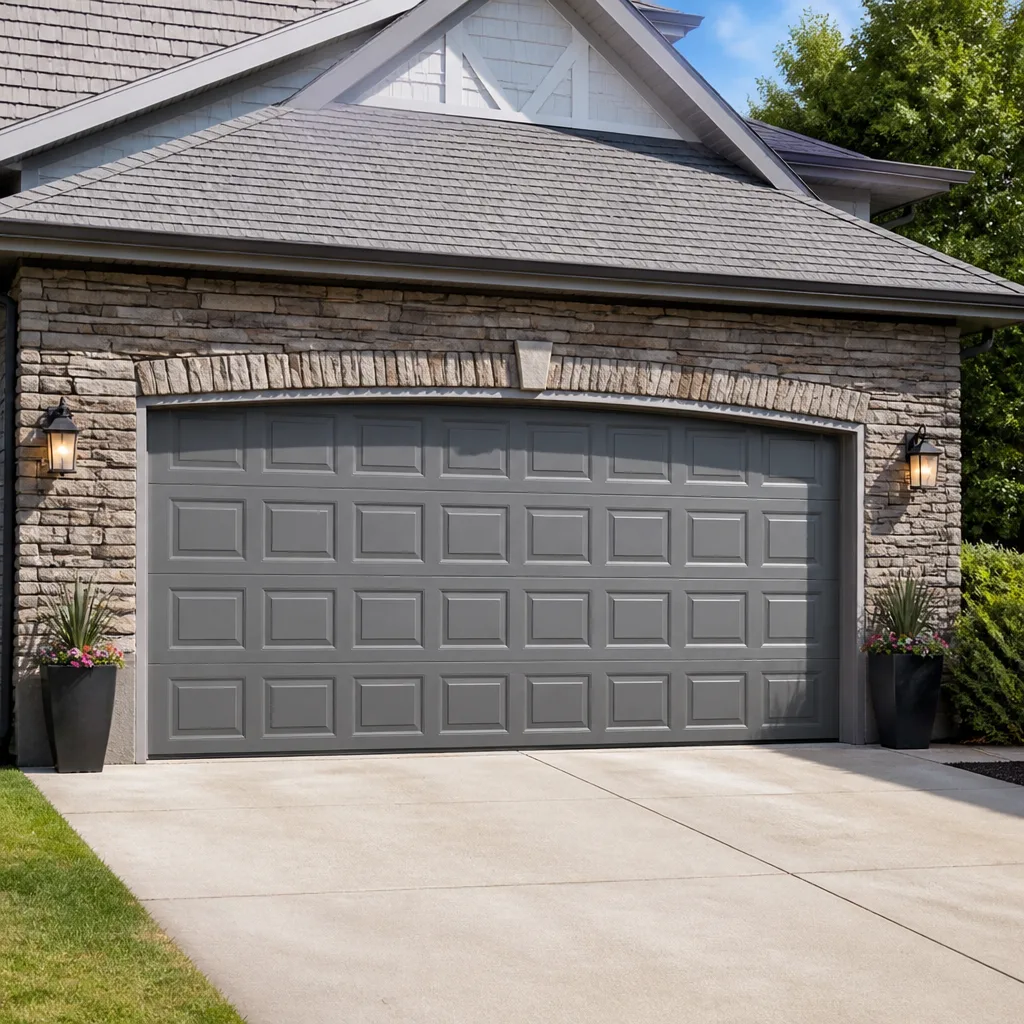 Raised-panel steel
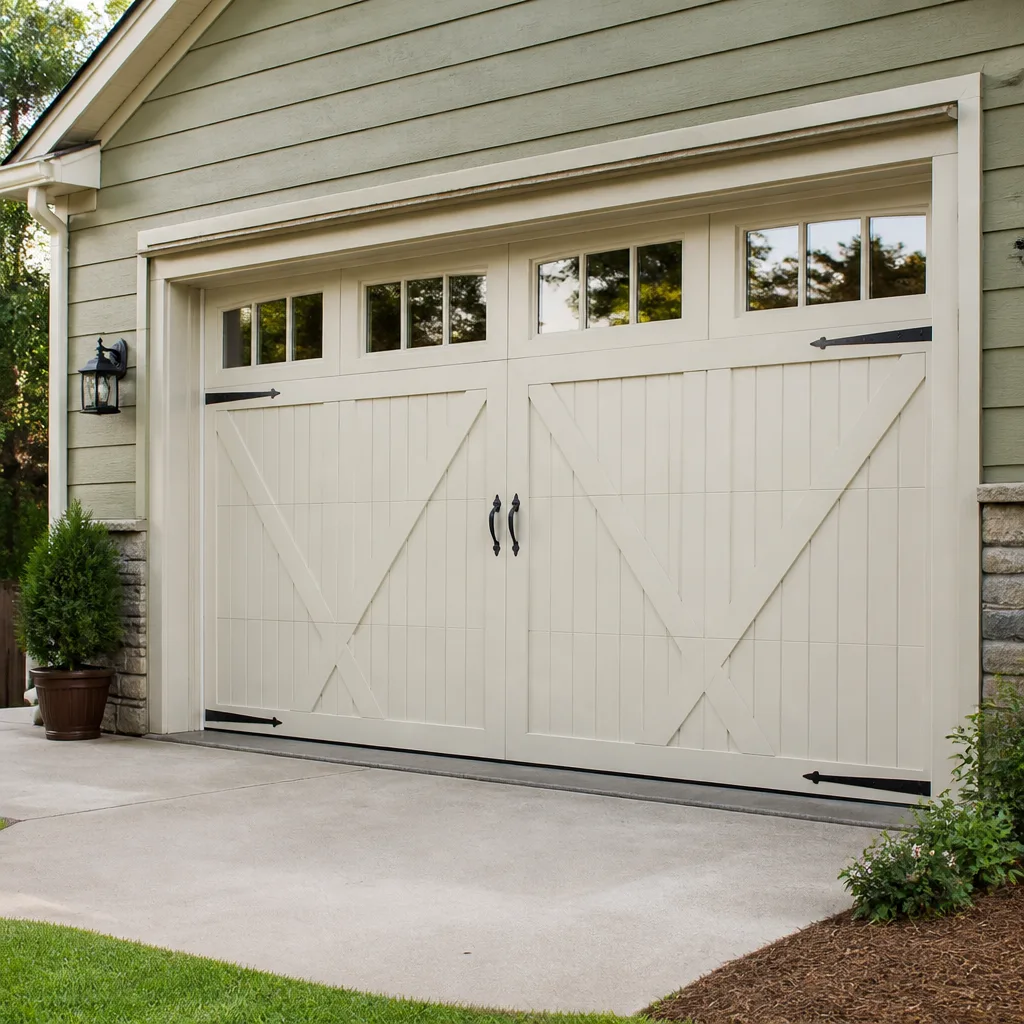 Carriage house
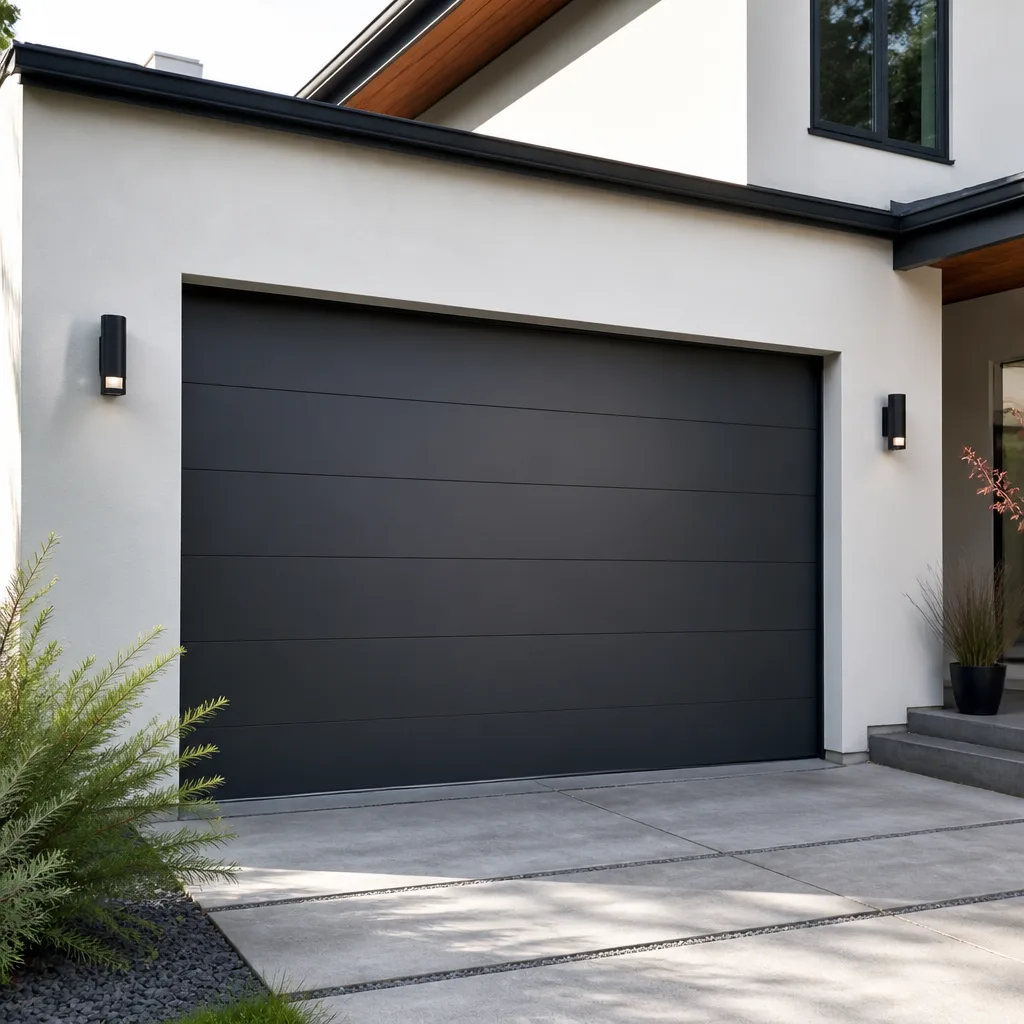 Modern flush
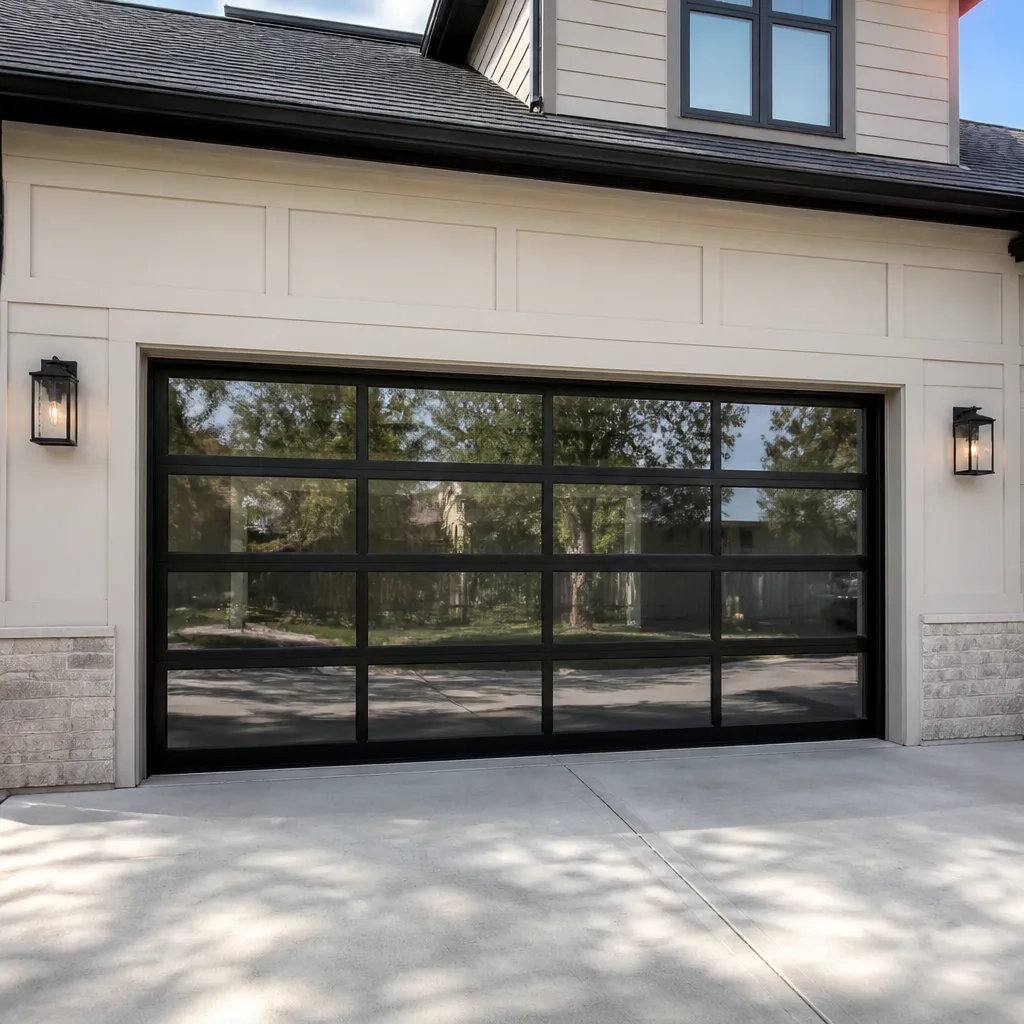 Full-view glass
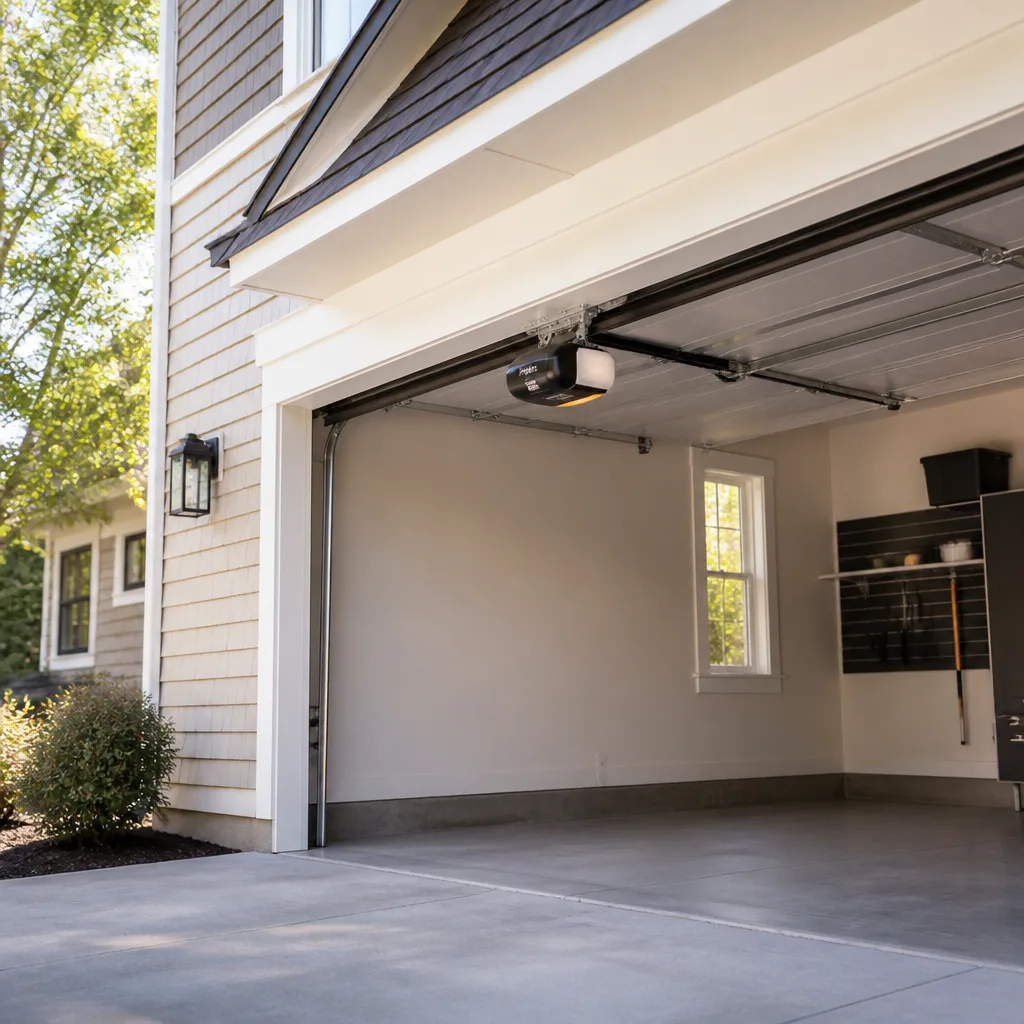 LiftMaster openers
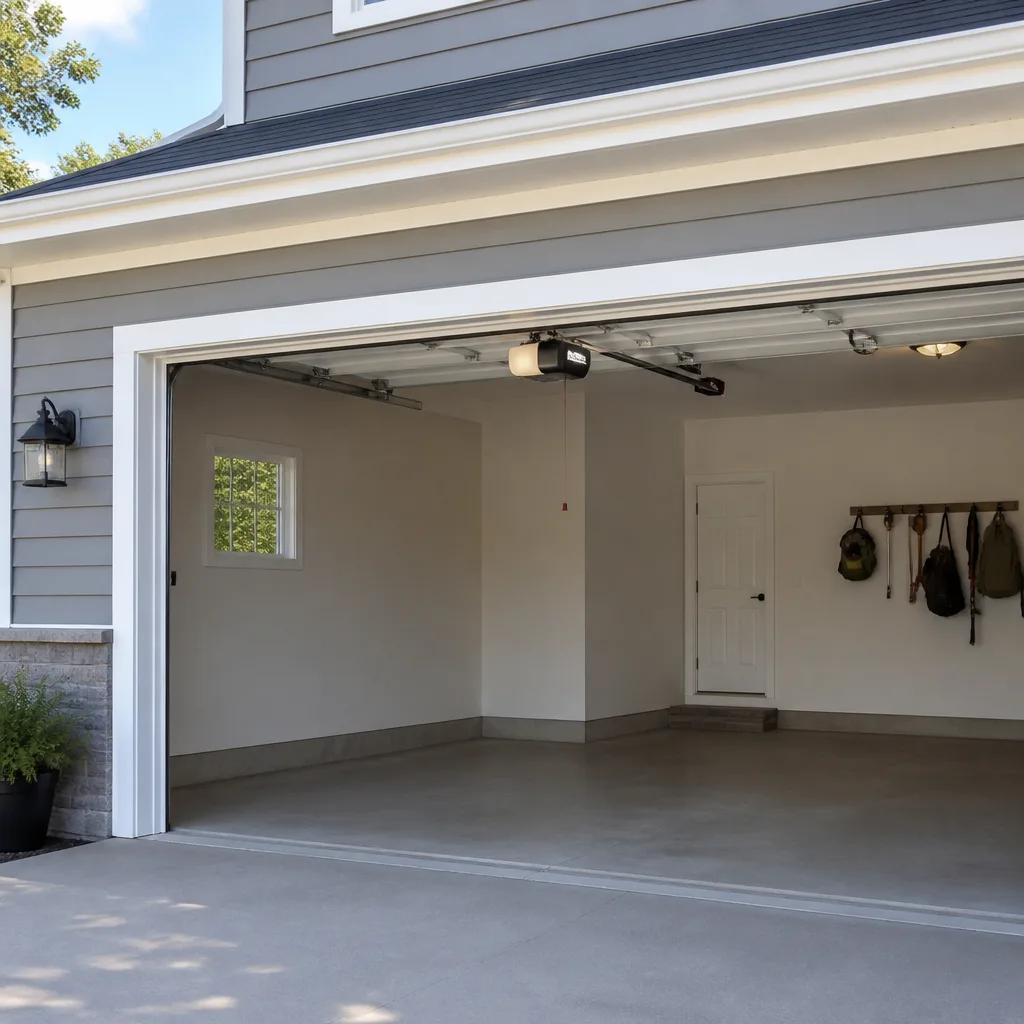 Chamberlain openers
Full 25-point door and opener safety check with every visit - springs, cables, rollers, tracks, and your LiftMaster or Chamberlain opener included
You get a price before we start. It does not change when the pro arrives.
Get your free estimateGarage Door Emergency Preparedness Guide for Fairfield Homes
Most homeowners think of their garage door as a convenience until the moment it stops working. Then it becomes the front door, the only exit for the car, and a several-hundred-pound panel hanging over a driveway. Fairfield sits in a stretch of Connecticut that catches nor’easters and the remnants of tropical systems, and those storms have a way of arriving with wind and water at the same time. A door that won’t lift during a power outage strands the vehicle you planned to move to higher ground. This guide walks through manual release, backup power, wind ratings, and storm documentation so a bad night doesn’t turn into a bad month.
Quick Answer
Emergency garage door readiness in Fairfield comes down to three things: knowing how to release your opener by hand before you need to, having battery backup on the opener if your model supports it, and documenting the door and opener after any storm before you clear debris. Do those three and most storm-related door failures become manageable instead of urgent. Everything below explains how, in the order the problems usually show up.
Styles & brands we work with
- Raised-panel steel
- Carriage house
- Modern flush
- Full-view glass
- LiftMaster openers
- Chamberlain openers
Table of Contents
- Why Fairfield Homes Need a Garage Door Emergency Plan
- How to Use the Manual Release on Your Garage Door Opener
- Battery Backup for LiftMaster and Chamberlain Openers
- Wind Load Ratings and What They Mean During a Nor’easter
- Pre-Storm Preparation Checklist for Fairfield
- Assessing and Documenting Storm Damage for Insurance
- When to Call a Professional
- Frequently Asked Questions
Why Fairfield Homes Need a Garage Door Emergency Plan
Fairfield’s position on Long Island Sound means named storms and their remnants regularly push through with sustained wind and heavy rain. The garage door is the largest moving opening on a house, and it’s also the weakest point in the wind envelope. When a storm knocks out power, the opener motor stops responding, the door stays down, and whatever is parked inside stays there. During Tropical Storm Ida’s remnants in 2021, plenty of Connecticut homeowners learned that lesson the hard way when their cars were locked behind a dead opener with floodwater rising.
The same system that makes a garage door easy to use every day is the one that fails you in an emergency. Torsion springs hold the door’s weight in tension, the opener lifts it, and the safety reverse stops it. Lose power and the opener is useless. Lose a spring and the door becomes too heavy to lift by hand and dangerous to touch. Lose a track to wind flex and the door may not close at all.
Fairfield Garage Door Repair Pros works on garage doors and nothing else, which means every technician’s experience is concentrated in one system. We’ve seen every way a door fails during a storm, and most of those failures follow a handful of patterns. Learn the patterns and you’ll handle the next nor’easter better than most of your neighbors.
What typically fails first
- Power loss at the opener. No battery backup means no motor, and a door you can’t lift by hand if the springs are worn.
- Spring fatigue or breakage. Cold snaps and rapid temperature swings are hard on torsion springs. A broken spring makes the door nearly impossible to lift manually and unsafe to force.
- Track and roller damage from wind flex. A door that bows under wind load can pop rollers out of the track. Once that happens the door binds and won’t travel.
- Water intrusion at the bottom seal. A worn bottom seal lets water in under the door during heavy rain, and repeated wetting warps wood panels and rusts steel ones.
None of those failures is exotic. All of them are preventable with a little planning. The rest of this guide goes through each one.
How to Use the Manual Release on Your Garage Door Opener
The manual release is the single most important thing to know about your garage door, and it’s the thing most homeowners have never touched. Every residential opener has one. The mechanism is a red cord or handle hanging from the trolley that rides the rail, and pulling it disconnects the door from the opener so you can lift it by hand. Find it now, before a storm, and make sure everyone in the house knows where it is.
Step-by-step manual release
- Confirm the door is fully closed. Never pull the release with the door open or partway up. The door could come crashing down.
- Stand clear of the door’s path. The door is heavy, and a door under spring tension can move suddenly.
- Pull the red release cord straight down and toward the opener. You’ll feel the trolley disconnect from the door arm. On a LiftMaster or Chamberlain opener the trolley release is a red handle; on a Craftsman or Raynor unit it may be a cord with a T-handle.
- Lift the door slowly by hand. If it feels heavy, stop. A door that won’t lift easily with one hand has a spring problem, and forcing it can cause injury.
- Prop or secure the door once it’s up so it can’t drop while you move the car.
- To re-engage, lower the door fully, pull the release cord again to reset the trolley, then run the opener once to reconnect the arm.
What not to pull
Some doors have a second cord or cable near the springs. Never pull anything attached to a torsion spring, cable, or drum. Those components are under extreme tension. A torsion spring can store enough energy to cause serious injury if released incorrectly, and a snapped cable can whip. If your door has only a spring and cable with no red release handle, call a technician. Don’t improvise.
If the door won’t lift by hand even after release, the springs need attention. That’s a job for a trained professional. Read our guide to garage door spring repair for the signs of a failing spring and what the repair involves.
Battery Backup for LiftMaster and Chamberlain Openers
Battery backup is the difference between a garage door that works during a blackout and one that doesn’t. The concept is simple: a battery unit mounts alongside the opener and takes over when line power drops, letting the door cycle a limited number of times. The tricky part is compatibility. Not every backup unit fits every opener, and not every rail system takes the same battery kit.
What to check before buying a backup unit
- Opener model and rail type. LiftMaster and Chamberlain backup kits are matched to specific model families and rail configurations. A kit that fits one rail won’t necessarily mount on another.
- Battery type and capacity. Backup batteries vary in how many cycles they deliver. A door that’s opened several times a day needs more capacity than one used once.
- Mounting clearance. Backup units need room beside the opener head. A tight ceiling or a low-clearance installation can rule out some models.
- Whether your opener supports it at all. Older openers, and many Craftsman and Raynor models, may not have a backup option. In that case the manual release is your only fallback, which makes knowing how to use it essential.
We work on the brand you already have, including LiftMaster and Chamberlain, so we can tell you what fits your opener without guesswork. If your opener is older or doesn’t support backup, we can also discuss whether a replacement makes more sense than a workaround.
One warning on backup units: they need to be tested. A battery that’s sat unused for a year may not hold a charge. Test the backup by cutting power to the opener and running the door once, then restore power. Do that before storm season, not during it.
Wind Load Ratings and What They Mean During a Nor’easter
Wind load rating is a number that describes how much pressure a garage door can withstand before it starts to deflect. It’s not a marketing label. It’s an engineering figure that depends on door width, panel construction, reinforcement, and how the door is anchored. A standard residential door in Fairfield may carry a rating that’s adequate for everyday weather but marginal in a strong nor’easter.
Fairfield’s coastal exposure zone means wind-driven rain and sustained gusts are part of the local weather picture. What matters for a homeowner is not the number itself but what it means for your door. A door that flexes under wind load can:
- Pop rollers out of the track, binding the door so it won’t travel
- Bow the panels enough to break the bottom seal and let water in
- Strain the opener arm and trolley, causing premature wear
- Fail to close fully, leaving a gap that lets wind and rain inside
If your door is older or you’ve noticed it flexing in high wind, a wind load assessment is worth doing. Reinforcing struts and heavier-gauge panels can raise the rating, and in some cases a replacement door with a higher rating is the better answer. Our garage door repair team can check how your door is anchored and whether it has the reinforcement it needs.
Signs your door isn’t rated for local wind
- The door rattles or bows in gusts well below storm strength
- Panels show dents or creases along the center stiles
- The door has no horizontal reinforcement struts
- The bottom seal gaps when the door is closed
- The door is more than a decade old and was never rated for wind
Pre-Storm Preparation Checklist for Fairfield
Twenty-four hours before a named storm is the right window to prepare. Not the hour before. Here’s what to do, in order.
- Test the manual release. Confirm the red cord works and everyone knows how to use it. Re-engage it afterward.
- Test the battery backup. Cut power at the opener, run the door once, restore power. If the battery is dead, replace it.
- Clear the door’s path. Move anything that could blow into the door or block it from opening. Check the driveway and the area inside the garage.
- Disengage the opener before high winds. Pulling the release so the door is disconnected from the trolley prevents the opener from fighting a flexing door. A door that bows under wind load can damage the rail and trolley if the opener is still engaged. Re-engage once the storm passes and you’ve checked the door.
- Check the bottom seal. A worn seal lets water in. Replace it before the storm if it’s cracked or flat.
- Inspect the springs and cables visually. Look for gaps in the torsion spring coils, frayed cables, or rust. If something looks wrong, call before the storm, not after.
- Photograph the door and opener. Take clear photos of every panel, the opener, the springs, and the tracks. You’ll want them for an insurance claim if anything happens.
- Move your car and valuables out of the garage if flooding is a risk in your part of Fairfield. A dead opener with a car inside is the exact situation Ida created for a lot of homeowners.
If a door is already showing problems before a storm, get it looked at. Our garage door opener repair team can check the opener and the door’s balance so you’re not heading into a nor’easter with a system that’s already struggling.
Assessing and Documenting Storm Damage for Insurance
Fairfield homeowners frequently underreport garage door damage in storm claims. The door still opens, so it doesn’t seem like damage. But bent panels, popped rollers, a misaligned track, and a strained opener are all real damage, and they’re all claimable if you document them properly.
How to document damage after a storm
- Don’t clear debris yet. Photograph the door and the surrounding area exactly as you find them, before you move anything.
- Photograph every panel, inside and out. Include close-ups of dents, creases, and gaps.
- Photograph the opener, springs, cables, and tracks. Note anything that looks bent, frayed, or out of place.
- Test the door carefully. Run it once, watch for binding or unusual noise, and photograph any new damage the test reveals.
- Write down what you observe. Date, time, and a plain description of what you see. Keep it with the photos.
- Get a professional assessment. An inspection report carries more weight than homeowner photos, and it catches damage you might miss.
A few things adjusters look for that homeowners often overlook: a bottom seal that’s been pushed out of its retainer, a track that’s out of plumb, and an opener that’s laboring. Each of those can be traced to storm wind and water. If your door has any of them, get them documented. If you’re not sure what you’re looking at, our Fairfield Garage Door Repair Pros team can assess the door and tell you what’s storm damage and what’s normal wear.
When to Call a Professional
Some garage door problems are predictable and can wait for a scheduled visit. Others can’t. Call a professional right away if:
- A torsion spring has broken. The door is unsafe to lift and dangerous to touch.
- A cable has snapped or come off its drum.
- The door is off its track or a panel has buckled.
- The opener runs but the door doesn’t move.
- The door won’t close fully and you can see daylight under it.
- The door has been damaged in a storm and you need a report for insurance.
Fairfield Garage Door Repair Pros offers free estimates in Fairfield. Call (877) 584-2814. We answer 24/7. Fast dispatch from 7am to 7pm, Sunday through Friday. From an opener fix to full installation, we handle the whole job in one trade.
See the difference
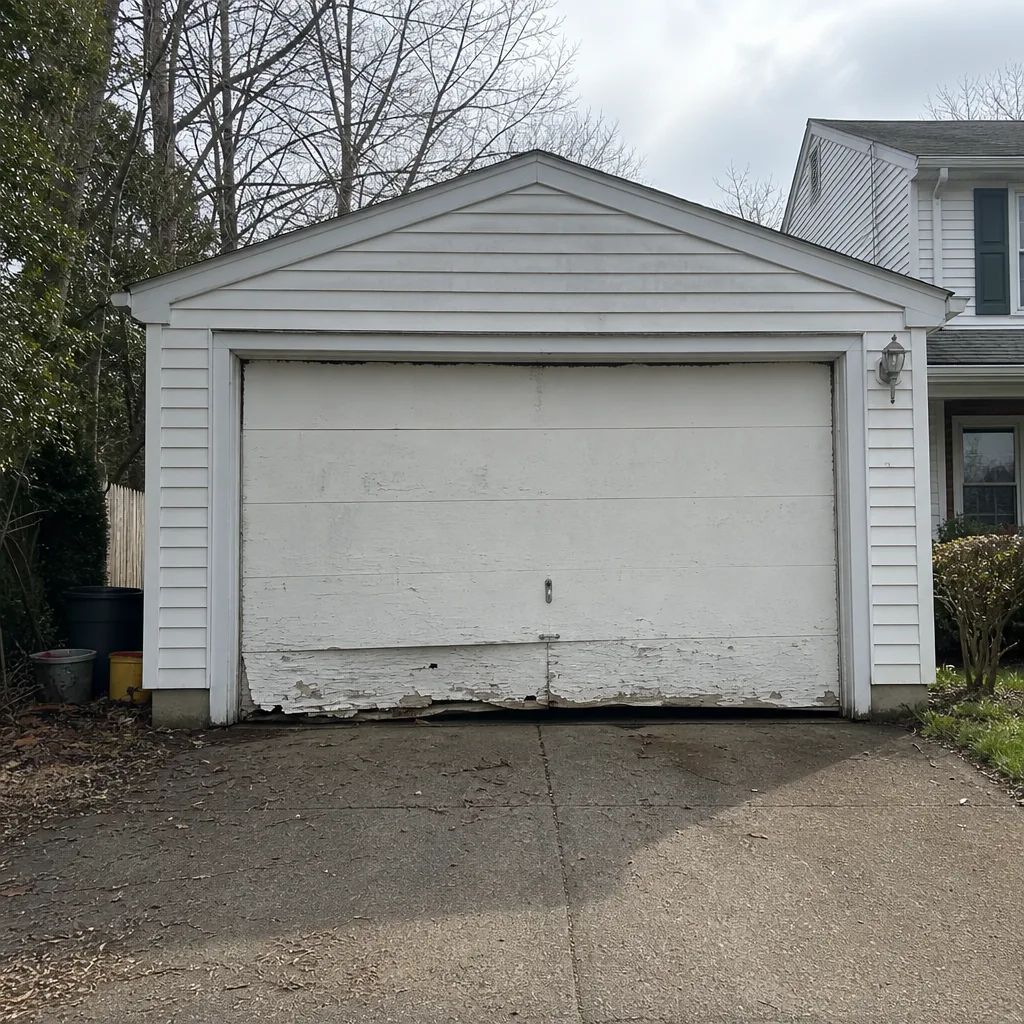 Before
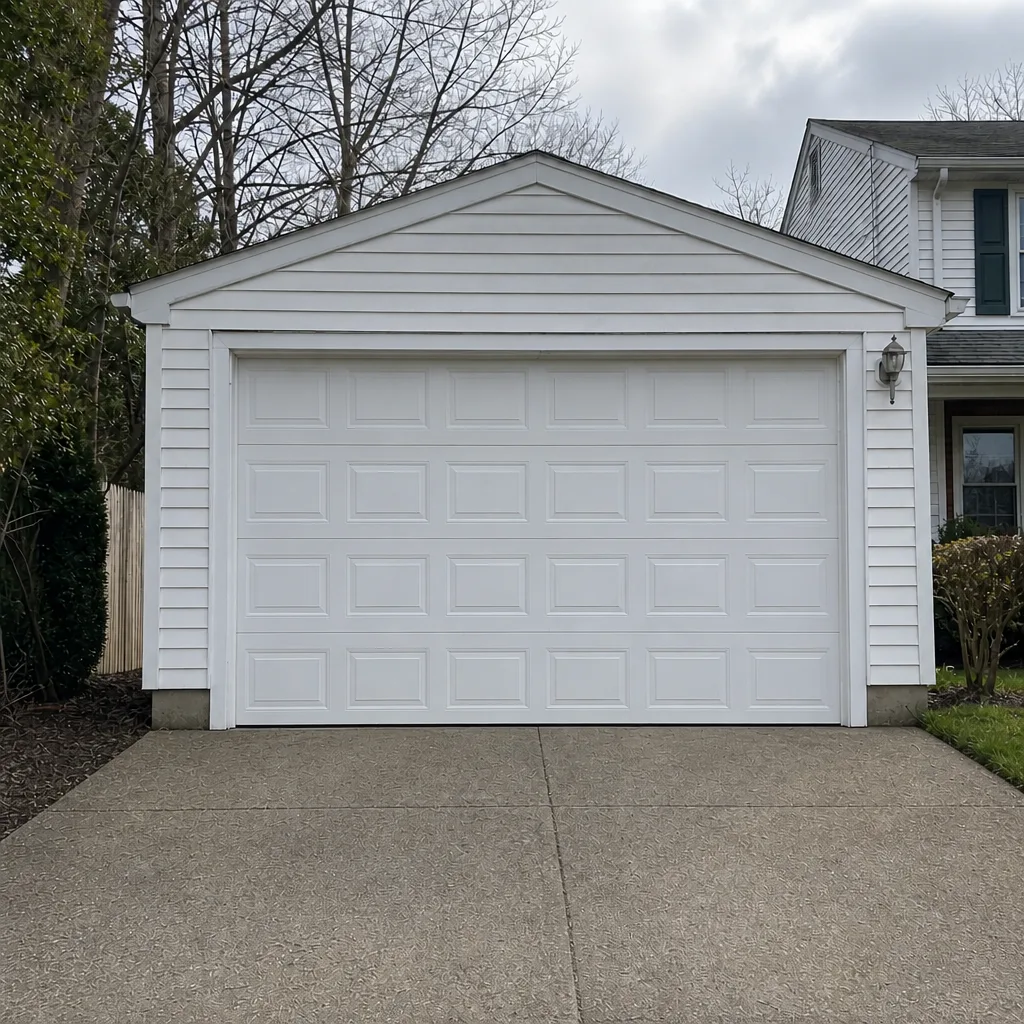 After
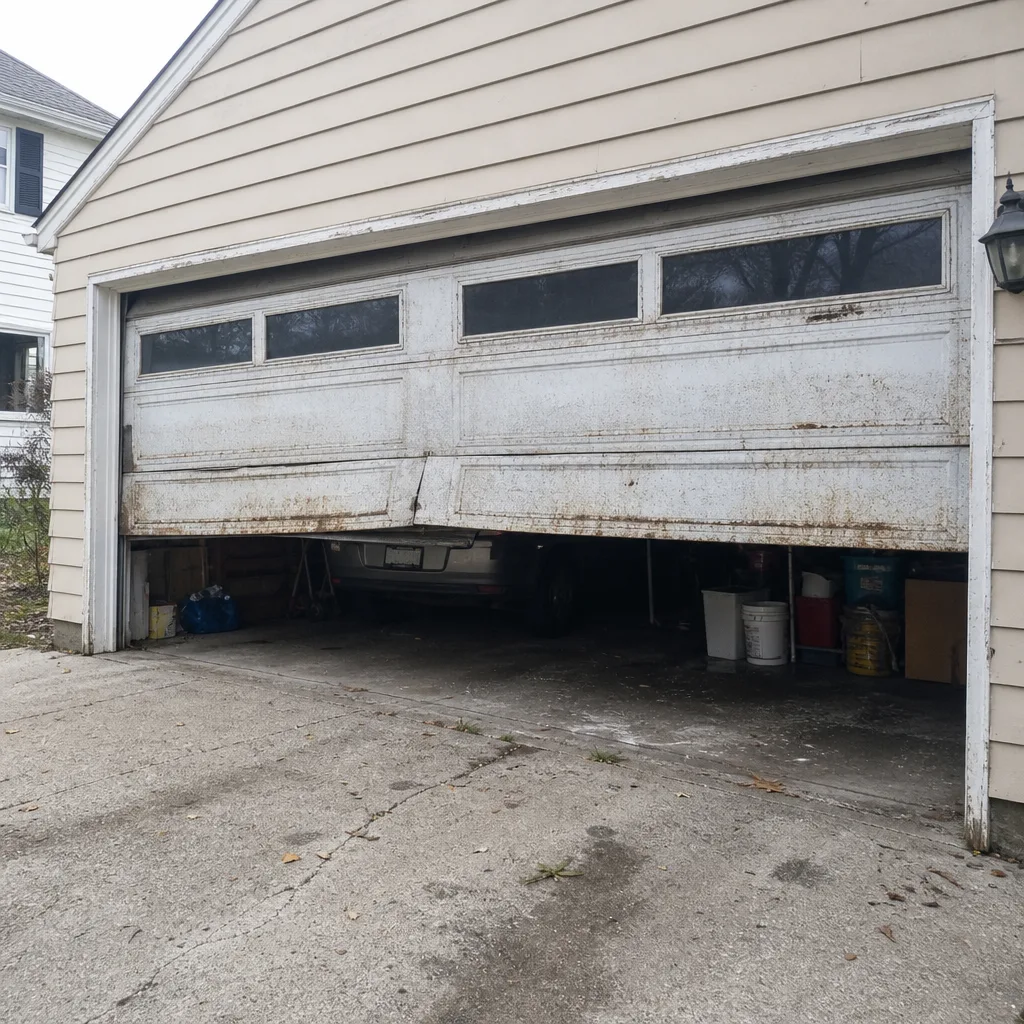 Before
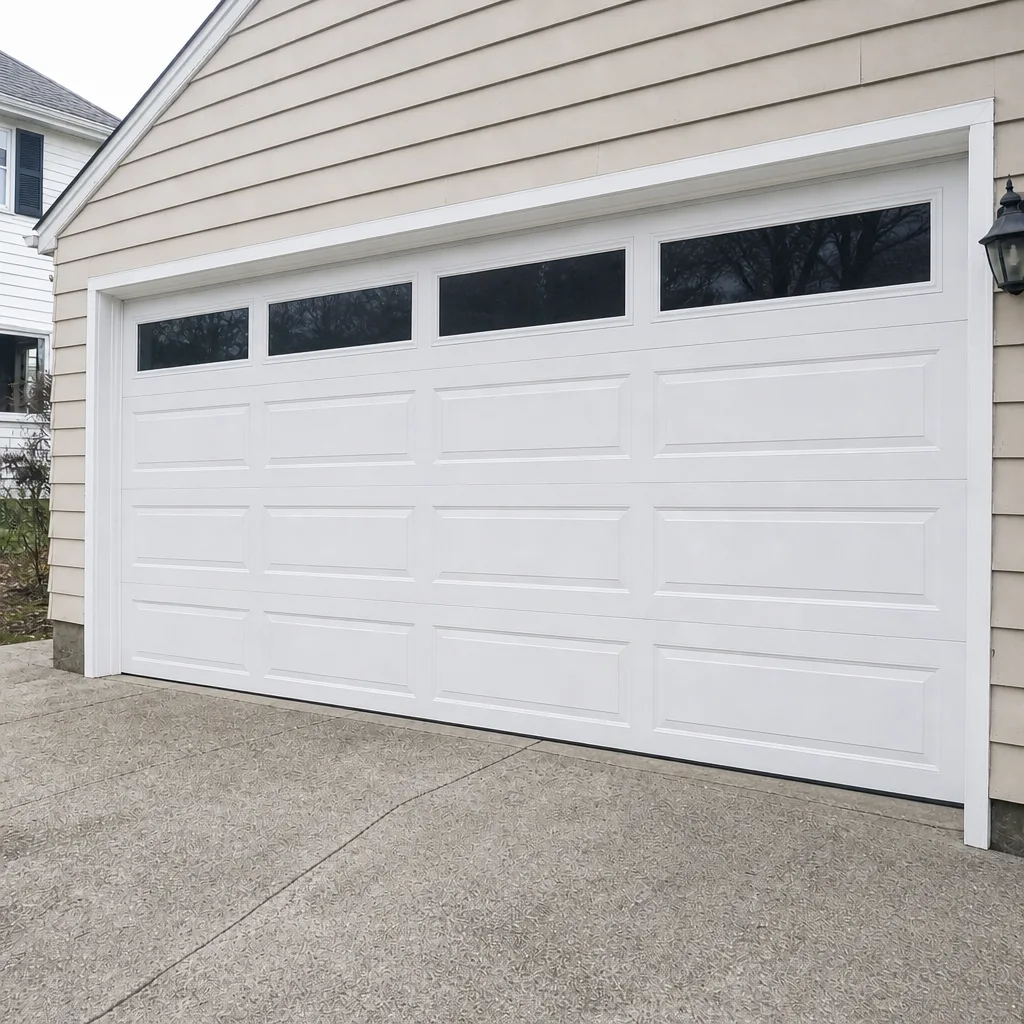 After
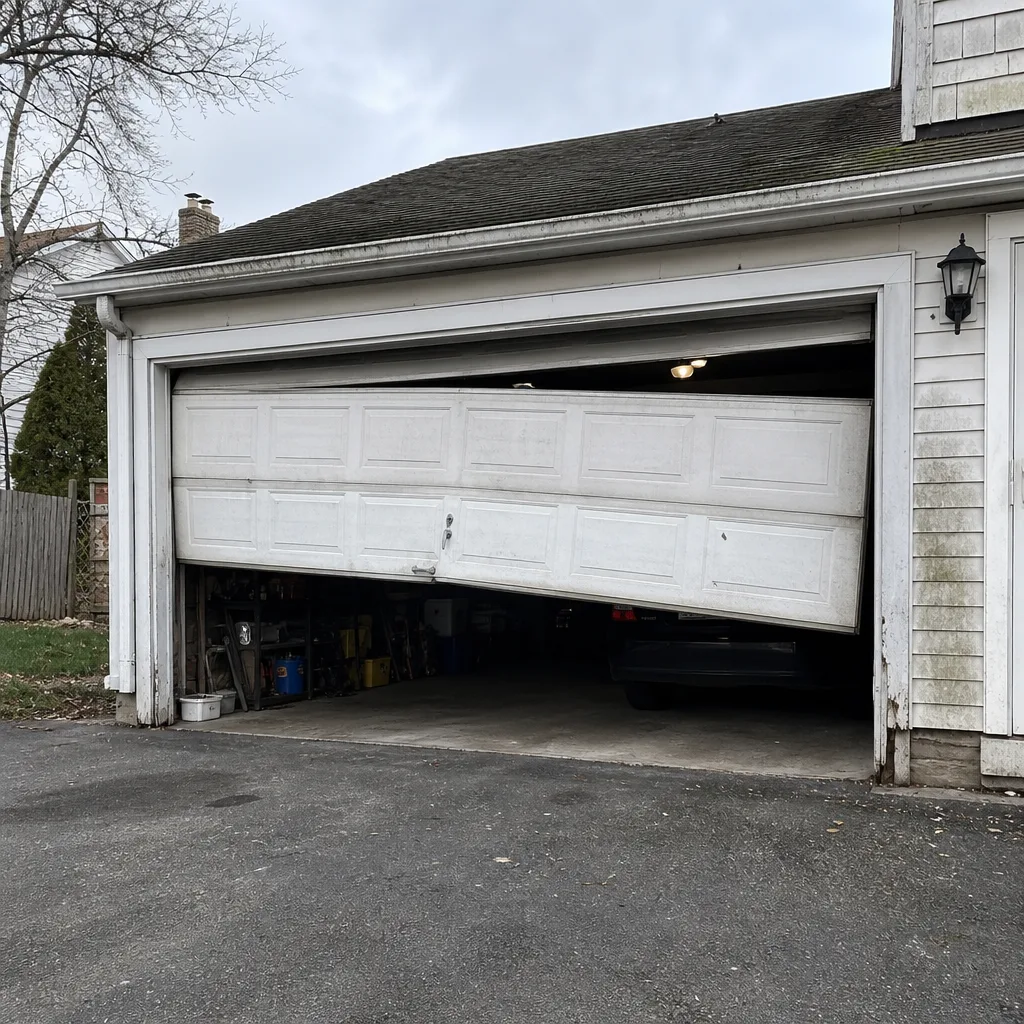 Before
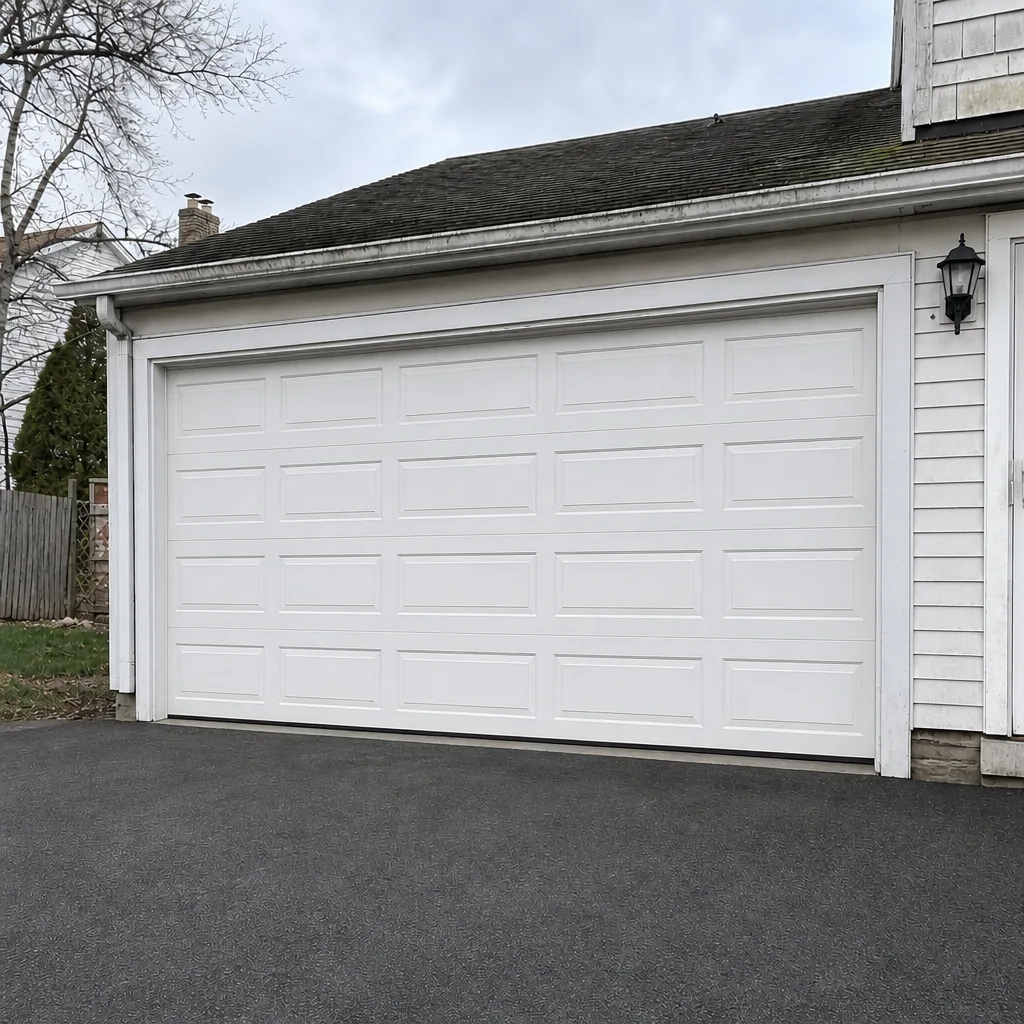 After
Common Mistakes to Avoid
- Pulling the manual release with the door open. The door can slam down. Always release with the door fully closed and stand clear.
- Forcing a door that won’t lift. A door that’s heavy by hand has a spring problem. Forcing it can cause injury or damage the door further.
- Buying a backup battery without checking compatibility. Not every backup unit fits every LiftMaster or Chamberlain rail. Match the kit to your opener model.
- Disengaging the opener after the winds start. Do it before, not during. Once the door is flexing, it’s too late to safely disconnect it.
- Clearing storm debris before photographing. Photos taken before cleanup are the ones that support a claim.
- Assuming a working door wasn’t damaged. Bent panels, popped rollers, and a strained opener don’t always stop the door from opening.
- Skipping the pre-storm test. A backup battery that hasn’t been tested in a year may be dead when you need it.
Frequently Asked Questions
Pull the red manual release cord hanging from the trolley to disconnect the door from the opener, then lift the door by hand. Do this only with the door fully closed, and stand clear. If the door feels heavy, stop; that’s a spring problem, and it needs a technician.
No. Battery backup is model-specific, and not every opener supports it. LiftMaster and Chamberlain offer backup kits for certain model families, but older openers and many Craftsman and Raynor units may not have a backup option. The manual release is the fallback when backup isn’t available.
Test the manual release and the battery backup, clear the door’s path, check the bottom seal, and disengage the opener before high winds. Photograph the door and opener for your records, and move your car out of the garage if flooding is a risk. Doing it a day ahead beats doing it in the rain.
Yes, if high winds are forecast. Disengaging the opener prevents it from fighting a door that flexes under wind load, which is what damages the rail and trolley. Do it before the winds start, not during, and re-engage once the storm passes and you’ve checked the door.
Photograph the door, opener, springs, cables, and tracks before you clear any debris. Include close-ups of dents, creases, and gaps. Write down what you observe with the date and time, and get a professional assessment to back up your photos. Underreporting garage damage is common, so don’t skip it.
Often, yes. Spring repair is one of our core services, and we keep the parts and tools for it on hand. Call (877) 584-2814 for an exact quote. Estimates are free, and the price is quoted and agreed before any work starts.
No. We quote the job before any work begins, and the written estimate sets the price. If we find something else that needs attention, we’ll tell you before touching it. You won’t get an invoice bigger than the quote.
The local professionals we connect you with are licensed and insured as their state requires. Our technicians have up to 13 years of experience, and every one of them works on garage doors exclusively.
The Bottom Line
Your garage door is emergency infrastructure. In Fairfield, that means knowing how to release it by hand, having backup power if your opener supports it, understanding what your door’s wind rating actually means, and documenting damage before you clean up. None of that takes long, and all of it pays off when a nor’easter takes out the power and you need your car. When a problem goes beyond preparation, call a specialist who works on your brand and your door type. Fairfield Garage Door Repair Pros offers free estimates in Fairfield. Call (877) 584-2814. We answer 24/7. Fast dispatch from 7am to 7pm, Sunday through Friday.
Written by the team at Fairfield Garage Door Repair Pros.