
Last updated November 21, 2026
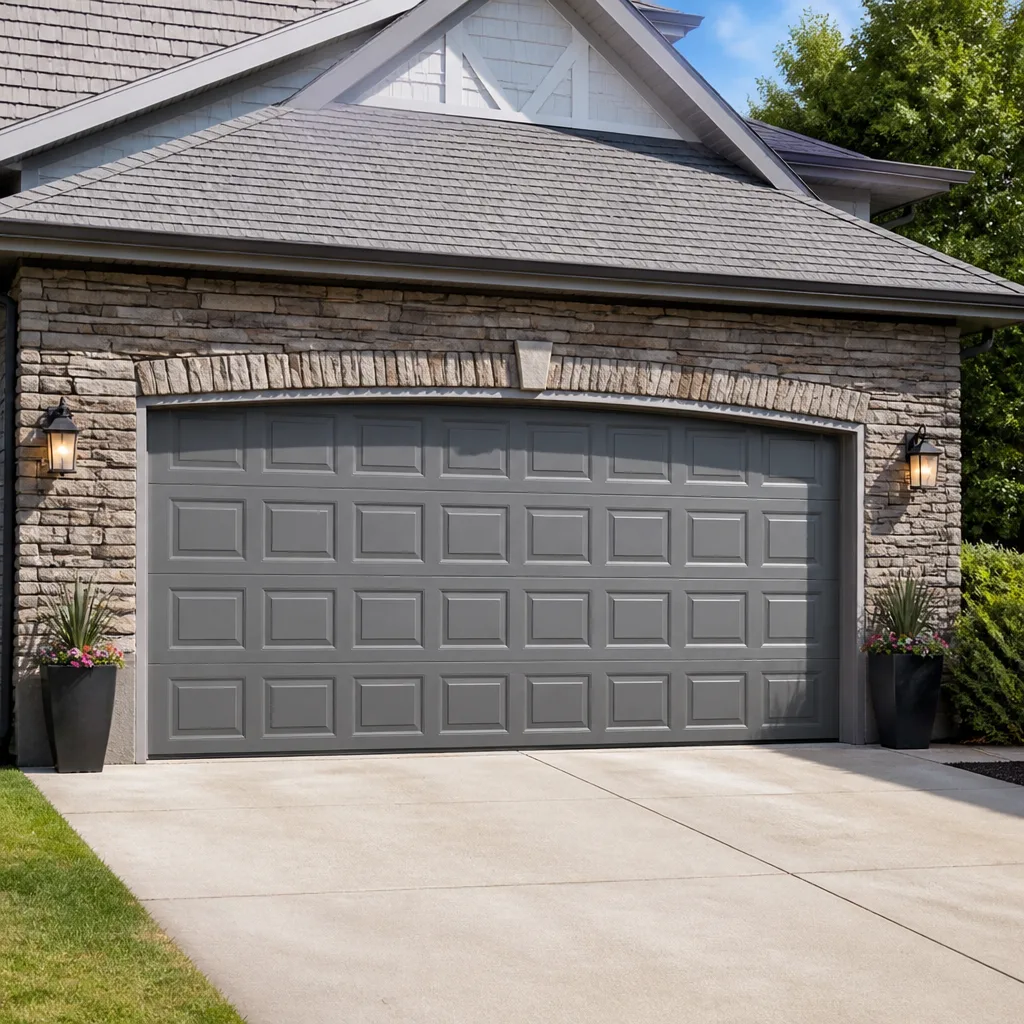 Raised-panel steel
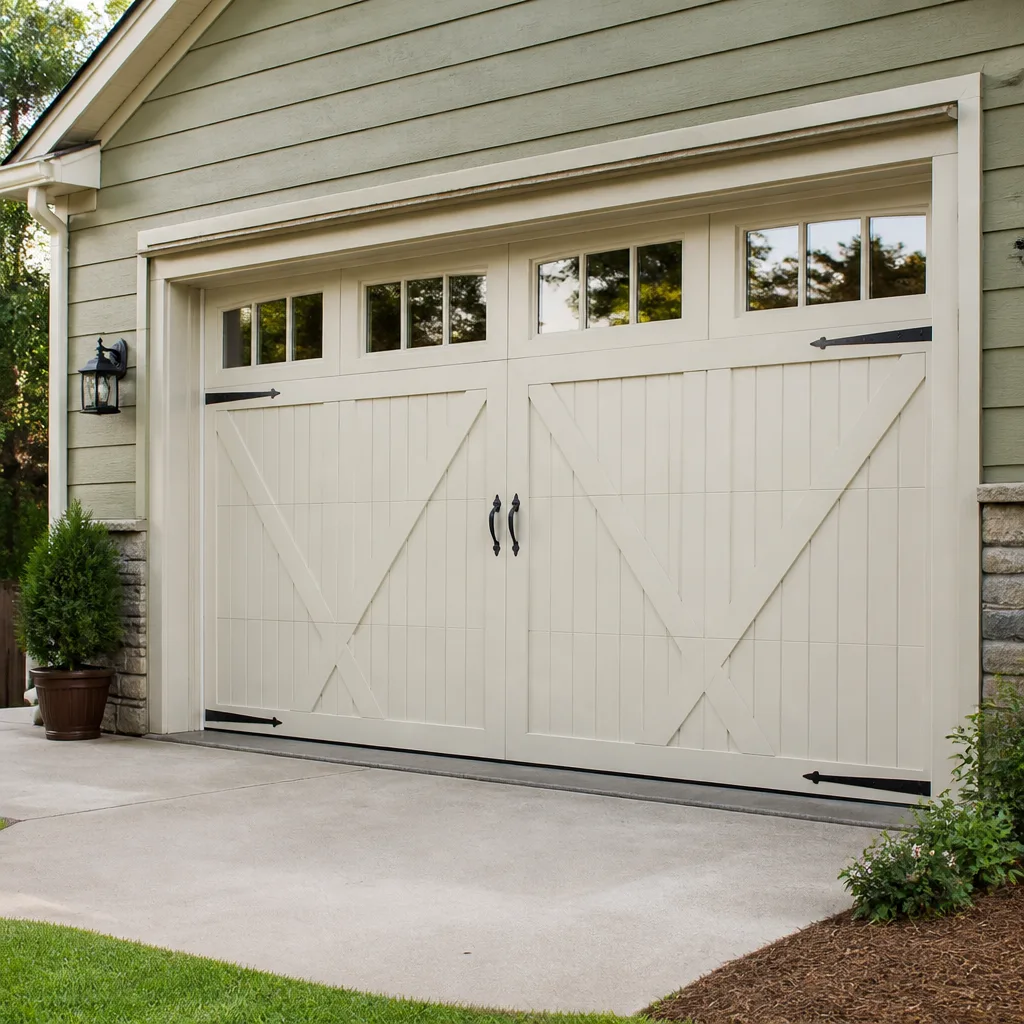 Carriage house
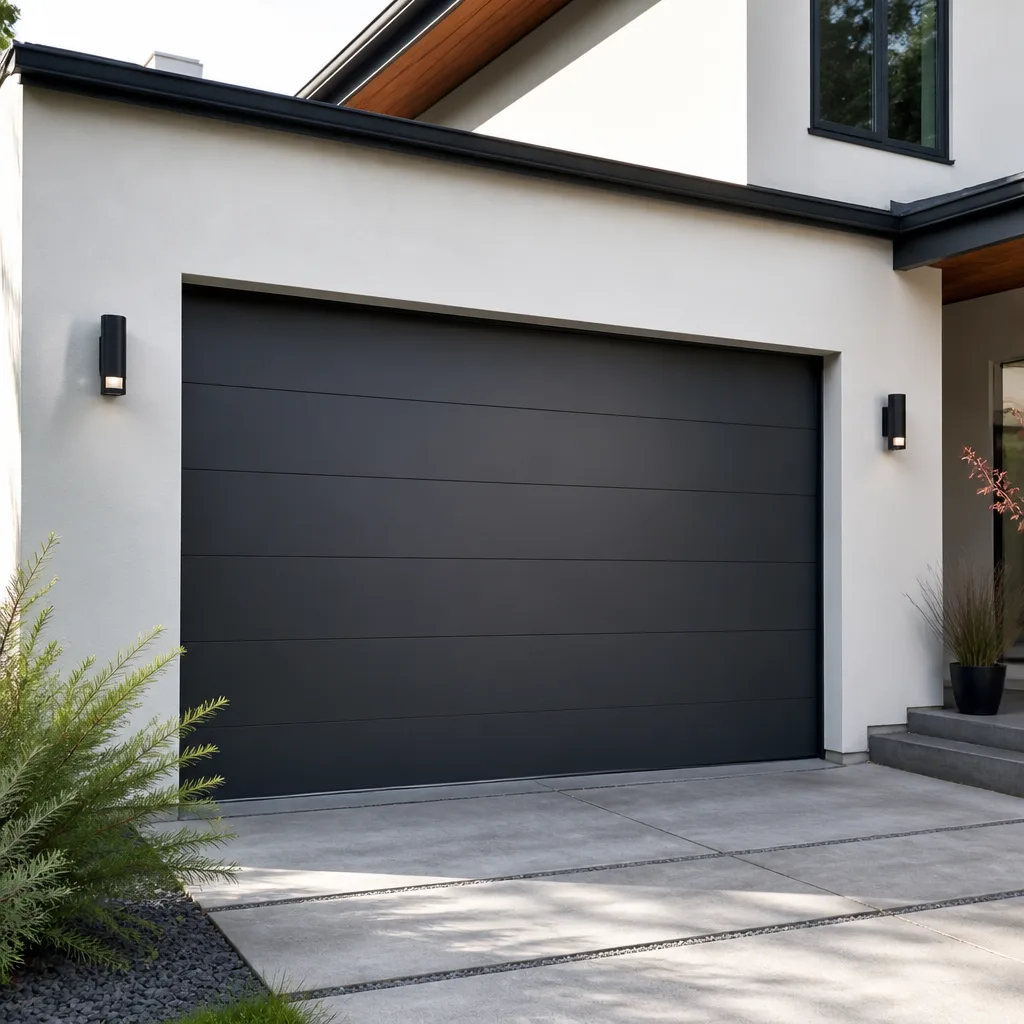 Modern flush
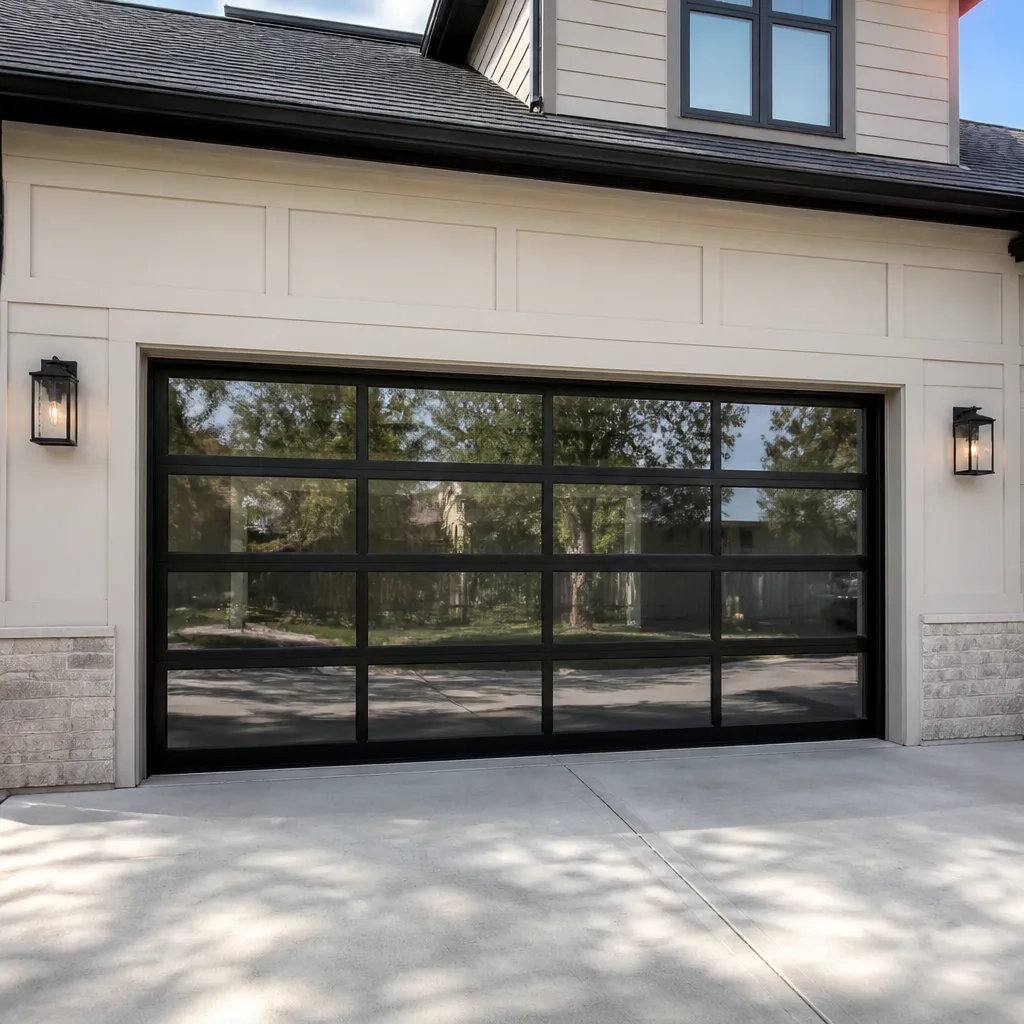 Full-view glass
 LiftMaster openers
 Chamberlain openers
Full 25-point door and opener safety check with every visit - springs, cables, rollers, tracks, and your LiftMaster or Chamberlain opener included
You get a price before we start. It does not change when the pro arrives.
Get your free estimateGarage Door Warning Signs: A Fairfield Homeowner’s Reference Guide
A garage door that hesitates for half a second before it moves isn’t just “getting old.” That pause is a torsion spring that has lost enough tension to shift the lifting load onto the opener motor, and the motor was never engineered to carry it indefinitely. The parts that fail loudly give you plenty of warning; the ones that fail dangerously usually don’t. This guide is built around the quiet signals, the ones that show up weeks before a breakdown, so you get a real diagnostic window instead of a surprise. If you live in Fairfield and your door has started acting differently, here’s how to read what it’s telling you.
Quick Answer
The most reliable early warning signs of a failing garage door are a half-second hesitation before movement, a door that reverses mid-cycle with nothing in its path, grinding or popping noises that change with the season, and a torsion spring that shows a visible gap or rust streaking on the wall beneath it. Any single one of these means the door should be inspected before it’s used heavily. A gap in the spring coil or a door that drops fast on one side means stop using the door now and call a trained technician.
Styles & brands we work with
- Raised-panel steel
- Carriage house
- Modern flush
- Full-view glass
- LiftMaster openers
- Chamberlain openers
Table of Contents
- Why the Subtle Signs Matter More Than the Obvious Ones
- Reading the Four Kinds of Garage Door Noise
- What the Spring Itself Is Telling You
- How to Check Cable Tension Without Touching the Cables
- Opener Behavior Changes and What They Mean
- Scheduled Appointment vs. Stop Using the Door Immediately
- Fairfield Climate and What It Does to Your Door
- Brand-Agnostic Diagnostics Across Fairfield Garages
Why the Subtle Signs Matter More Than the Obvious Ones
Most warning-sign articles start with the loud stuff: a door that won’t close, a snapped spring, an opener that hums and does nothing. Those are real failures, but by the time you notice them, the diagnostic window has already closed. The valuable signals are the ones you’d only catch by paying attention to how the door behaved last month versus now.
A garage door is a balance between the springs lifting and gravity pulling back. When that balance is correct, the opener barely does any work. When a spring starts to weaken, the opener quietly takes over more of the load. You won’t feel that as a dramatic change. You’ll feel it as a door that takes slightly longer to start moving, or one that settles harder at the bottom than it used to. In our experience, a spring that’s losing tension can carry a door for weeks or months before it finally lets go, and that window is exactly when a scheduled repair is cheap and simple.
Fairfield garages sit through humid summers, cold snaps that push into the teens, and a heating season that dries out wood framing. All three put seasonal stress on springs, cables, and rollers. A door that was fine in October may start complaining by January, which is why the diagnostic habit matters more here than the symptom itself. The same door that hesitates in February usually smooths out by May, then starts drifting again the next winter.
The other reason subtle signs matter: they map to different components. A grinding noise and a popping noise sound similar across the garage but point to completely different parts. Homeowners conflate them constantly, and that conflation is exactly why a technician’s first visit is often spent re-diagnosing what the homeowner thought was the problem. Learning to read the signal saves you a return trip and often a part.
Reading the Four Kinds of Garage Door Noise
Noise is the most useful diagnostic channel a garage door gives you, because each type of sound comes from a specific system. Grinding, popping, rattling, and scraping are not interchangeable. Here’s what each one generally points to, and how they behave differently across the seasons.
Grinding
A grinding sound on an opener-hosted system usually traces to the opener’s gear assembly or internal drive. On a chain-drive Chamberlain or a belt-drive Genie, grinding under the motor housing often means worn gears inside the opener or a sprocket that has started to strip. Grinding that runs the length of the door as it travels points instead to the rollers or the tracks. The two sound different from inside the garage; the opener grind is stationary at the head unit, while track grind moves with the door.
Popping
A single loud pop at the start or end of a cycle is almost always spring or cable related. Torsion springs that are about to fail often give a small pop as the coil shifts under load. This is the highest-priority noise on the list, and a technician should see it before the door is cycled again. A pop while the door is in motion is serious enough that it belongs in the stop-using-the-door category.
Rattling
Rattling is usually loose hardware, and it’s the most forgiving of the four. Roller brackets, hinge bolts, and the bolts on the bottom bracket shake loose over time, and a door that rattles more in March than it did in August is often just hardware that worked its way free through the heating cycle. Rattling that appears suddenly after nothing changed usually traces to a roller that has left its track partially, which is worth a look sooner than loose bolts.
Scraping
Scraping travels with the door and typically means one of two things: a panel is out of alignment against the track, or a roller has failed and the door is dragging metal on metal. Scraping is more urgent than rattling because drag on the door increases the load on the springs and on the opener at the same time. Left alone, a scraping door often turns into a broken spring call within a few weeks, which is an avoidable sequence.
What the Spring Itself Is Telling You
If you do nothing else with this guide, learn to look at the spring. The torsion spring on most Fairfield doors sits horizontally above the door opening on the header wall, and it gives you three visual signals you can check without touching it: gap formation, rust streaking, and uneven coil spacing. All three are pre-break indicators, and none of them require getting near the spring itself.
The spring is under high tension, and releasing that tension incorrectly can cause serious injury. Never touch, adjust, or try to wind a torsion spring yourself. What follows is what to look for visually, not how to repair it.
- Gap formation. Look at the coil along the length of the spring. A spring that’s still doing its job has evenly spaced coils. If you see a gap of an inch or more opening up between coils, the spring is losing structural integrity and should be examined by a technician before the door cycles again.
- Rust streaking on the wall below the spring. A thin rust trail on the header wall or on the metal beneath the spring usually means moisture has been sitting in the coils. Rust eats into the spring’s cross-section and quietly reduces its strength. A spring that looks rusty is a spring that’s closer to failing than its age suggests.
- Uneven coil spacing. If one section of the spring looks compressed while another looks stretched, the spring has lost even tension across its length. That imbalance loads one side of the door more than the other and is a common precursor to a loud break.
Spring work is dangerous and technically demanding, which is why we handle spring repair in-house with technicians who have up to 13 years of experience. If you’ve spotted any of the three signals above, stop cycling the door and schedule a garage door spring repair visit. For context on the difference between raw symptoms and what an actual repair involves, our guide to garage door repair in Fairfield is a useful companion read.
How to Check Cable Tension Without Touching the Cables
Most homeowners have never been told this check exists, and it’s one of the best early warnings you can get. You don’t need to touch the cables. You look at how the cable is wrapping around the drum at each end of the torsion tube, usually mounted above the door on either side of the spring.
The Drum Wrap Check
When the door is closed, the cable should be wound around the drum in clean, even layers. There’s a subtle but consistent way each cable should wrap, and both drums should look like mirror images of each other. What you’re looking for is asymmetry: one drum with the cable spooled tightly, the other with the cable slightly loose or sitting one layer off.
- Even wrap on both sides: cables are under balanced tension. Normal.
- One side visibly looser: cable tension has drifted. This loads one side of the door unevenly and eventually lifts the door at an angle.
- Cable sitting on top of itself: the cable has jumped a groove on the drum. This is a stop-using-the-door condition.
- Frayed strands visible near the drum: the cable is failing and should not be cycled again. Cables snap with enough force to cause serious injury.
An unevenly tensioned cable also explains a door that looks crooked in the opening, one that binds on one side, or one that pauses on one side before the other catches up. If you’ve noticed any of those behaviors, the drum wrap check tells you whether it’s cable-related before anyone even opens the garage.
Opener Behavior Changes and What They Mean
The opener is the easiest part of the system to monitor because you interact with it every day. Three changes in opener behavior are worth tracking: travel time increase, mid-cycle reversals without obstruction, and remote range degradation. Each one maps to a different likely cause.
Travel Time Increase
If the door now takes noticeably longer to open than it did a few months ago, the opener is working harder to lift the same weight. The usual cause is a spring that has lost tension or a door that’s binding on one side. On LiftMaster and Chamberlain openers, the travel time itself is relatively fixed by the limit settings, so a door that feels slower is usually the door, not the unit.
Mid-Cycle Reversals Without Obstruction
A door that reverses halfway up with nothing in its path is a safety system responding to resistance. The most common culprits are rollers that have started to drag, a track that’s out of alignment, or a photo-eye that’s been bumped or is picking up glare. On newer openers the unit logs these as resistance faults; on older units, you just see the reversal and no explanation. Reversals don’t fix themselves, and each one puts additional wear on the opener.
Remote Range Degradation
A remote that used to open the door from the driveway but now only works from right outside the garage is usually losing signal strength, not battery juice. The common causes are an opener antenna that’s been knocked out of position, new interference from a nearby device, or a failing logic board. Battery is worth ruling out first, but range that degrades slowly over weeks is rarely the battery.
Most opener problems are fixable without replacing the whole unit. If your door uses a Chamberlain, Genie, or another major brand and the behavior above matches what you’re seeing, focused garage door opener repair is almost always the right first move before anyone recommends a new opener.
Scheduled Appointment vs. Stop Using the Door Immediately
This is the distinction most warning-sign lists skip, and it’s the one you actually need when you’re standing in the garage deciding what to do next. Some signals give you time to plan. Others don’t. Keeping the two categories apart is the whole reason to learn the symptoms.
Signs That Allow a Scheduled Appointment
- Opener grinds but continues to run the cycle normally.
- Rattling or a single loose bolt that has appeared on one bracket.
- Remote range has dropped but the door still cycles reliably.
- Door hesitates for a fraction of a second before moving, but completes the cycle fine.
- Roller that has started making noise but hasn’t left the track.
- Opener reverses once on a cold morning and then runs fine.
None of these are emergencies. Book an inspection in the next week or two. Don’t put them off for months, because most of the items on this list get more expensive if they’re left alone through a heating cycle.
Signs That Mean Stop Using the Door Now
- Visible gap in the spring coil, or uneven coil spacing on the torsion spring.
- Pop from the spring area during a cycle.
- Door drops fast on one side, or looks crooked in the opening.
- Cable has jumped off the drum or is frayed.
- Door is off the track, or a panel has visibly bent.
- Opener runs but the door doesn’t move (this usually means a broken spring).
- A torsion spring break you can see (a clear gap with the coil separated).
If any of those show up, don’t force the door with the manual release. Leave it where it sits and call a technician. The breakdown is almost never the moment to test how bad it is. For a door that won’t move at all, our emergency garage door service is built for exactly that call, and it exists so you don’t have to attempt a fix yourself.
Fairfield Climate and What It Does to Your Door
Fairfield sits in a climate that flexes the door dozens of times a season, and it does it in a specific way. Spring and fall are moderate. Summer brings humidity that swells wood door frames and drives up friction inside the opener housing. Winter drops into the teens and dries out the framing, which is when the spring that’s been running long gets its hardest test.
Every component has its own weather story. Steel springs lose strength in cold weather and are most likely to fail on the first hard freeze of the season. Metal panels expand slightly and shift alignment by fractions of an inch, which is why doors that ran quietly in September start scraping by December. Rollers dry out. Track brackets loosen. Cables that sat at proper tension all summer quietly move one groove on the drum when the wood above them contracts.
The practical takeaway is a seasonal check. Twice a year, once when the heating season starts and once when it ends, walk out to the garage and look at the spring and the drums. Cycle the door once and listen. If the door sounds meaningfully different from last season, that’s your signal to book an inspection before the next cold snap. The reading takes two minutes. The repair it prevents takes a morning.
Brand-Agnostic Diagnostics Across Fairfield Garages
Every brand of door and opener in Fairfield has its own failure signature, and reading the door correctly means knowing what to expect from what’s installed. A Clopay steel door behaves differently from an Amarr insulated door when a roller fails, and a Genie opener logs a resistance fault differently than a LiftMaster. We work on the brand you already have, and that fluency is the reason we can diagnose the hesitation or the grind precisely rather than guessing.
We’re certified across eight of the major manufacturers: LiftMaster, Chamberlain, Genie, Clopay, Amarr, Wayne Dalton, Craftsman, and Raynor. If your door is one of those, the technician who arrives already knows the likely culprit before opening the toolbox. That’s not a sales line, it’s a practical reality of the trade. Brand-specific diagnostic steps differ enough that a generalist often spends the first visit learning the system instead of fixing it.
Garage doors are the only thing we work on, and every technician’s experience is concentrated on that single system. If a repair turns into an installation, we cover that too, so you don’t have to switch companies mid-job. For a Fairfield homeowner whose door is the primary entry point into the house, that continuity matters more than brand marketing. You need the door to work, the same week, with the same people who diagnosed it. To start the conversation about a full door, see our Fairfield Garage Door Repair Pros main page, where we cover the full service spectrum from repair to new installation.
Common Mistakes to Avoid
- Testing the door after hearing a pop. A pop at the start or end of a cycle means the spring is under stress, and cycling the door again is how minor stress becomes a full break. Stop the door and call. The pop is a signal, not something to test.
- Lubricating your way out of a grinding noise. Grease quiets a squeaky hinge, but it doesn’t fix a stripping gear in the opener or a roller that’s left its track. Lubricant on the wrong part hides the noise without touching the cause.
- Assuming a crooked door is a track issue. In Fairfield garages, a door that looks crooked is usually a cable tension problem, which is why the drum wrap check matters. Adjusting the track on a mis-tensioned door makes the imbalance worse.
- Replacing an opener because the remote got weaker. Range degradation is almost always antenna position, interference, or a failing logic board, not a dead opener. Most opener brands can be repaired instead of replaced.
- Ignoring the first cold-weather hesitation. The first freeze of the winter is the most common time for a stressed spring to fail. A hesitation in December is the freeze testing a spring that’s been weakening since summer.
- Using the manual release to “test” a door that’s off the track. The manual release is designed for losing power, not for freeing a door that’s stuck on a bent track. Pulling it can drop the door with the spring still tensioned.
- Waiting until the door won’t close to call. The whole point of a warning-sign guide is the window before the failure. A scheduled appointment is less expensive than an emergency call, and the door has told you it was coming.
See the difference
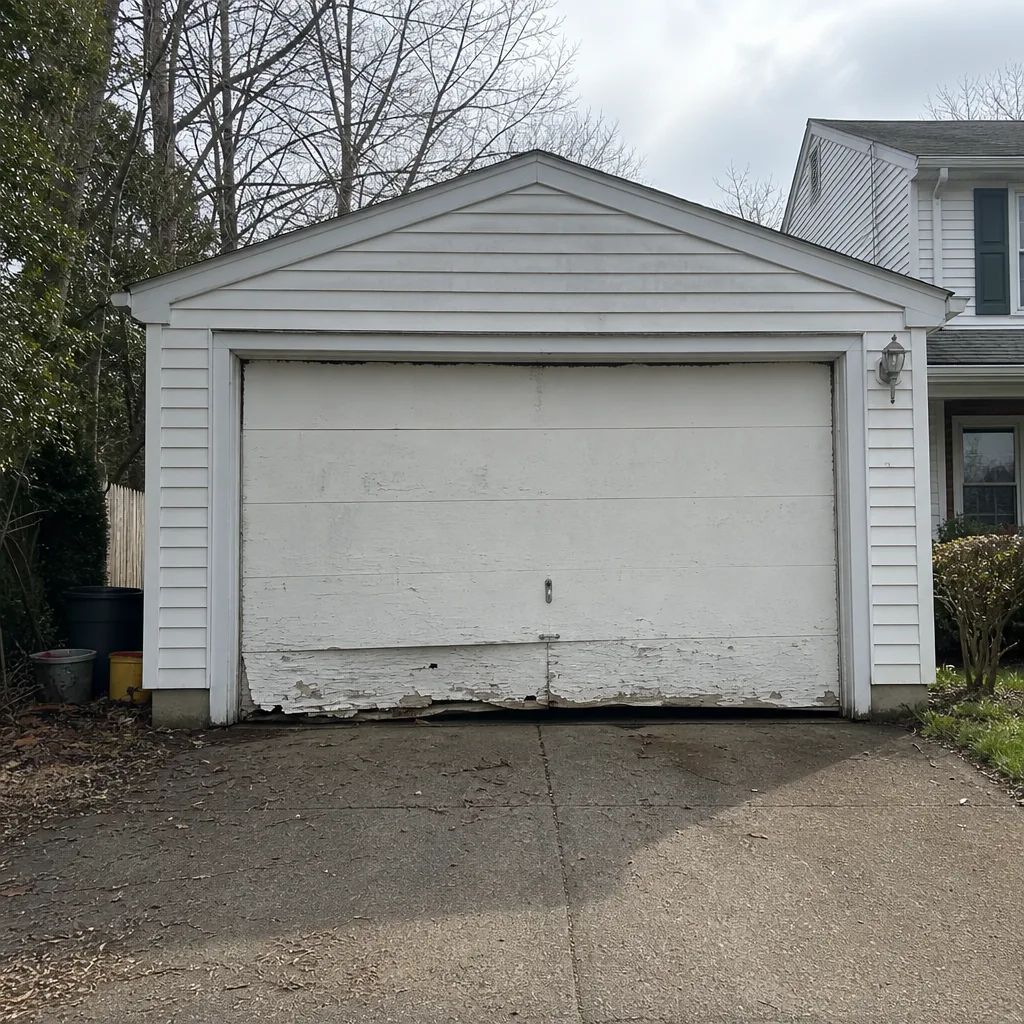 Before
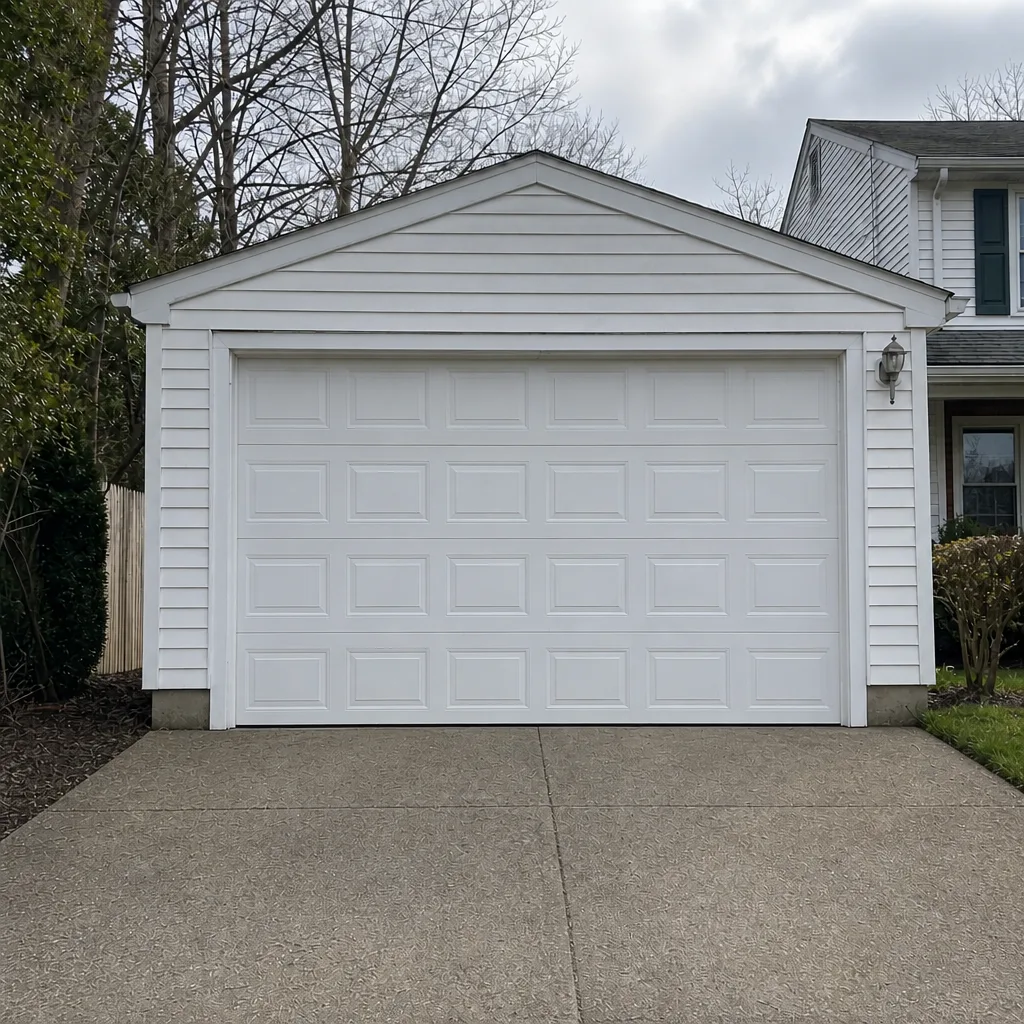 After
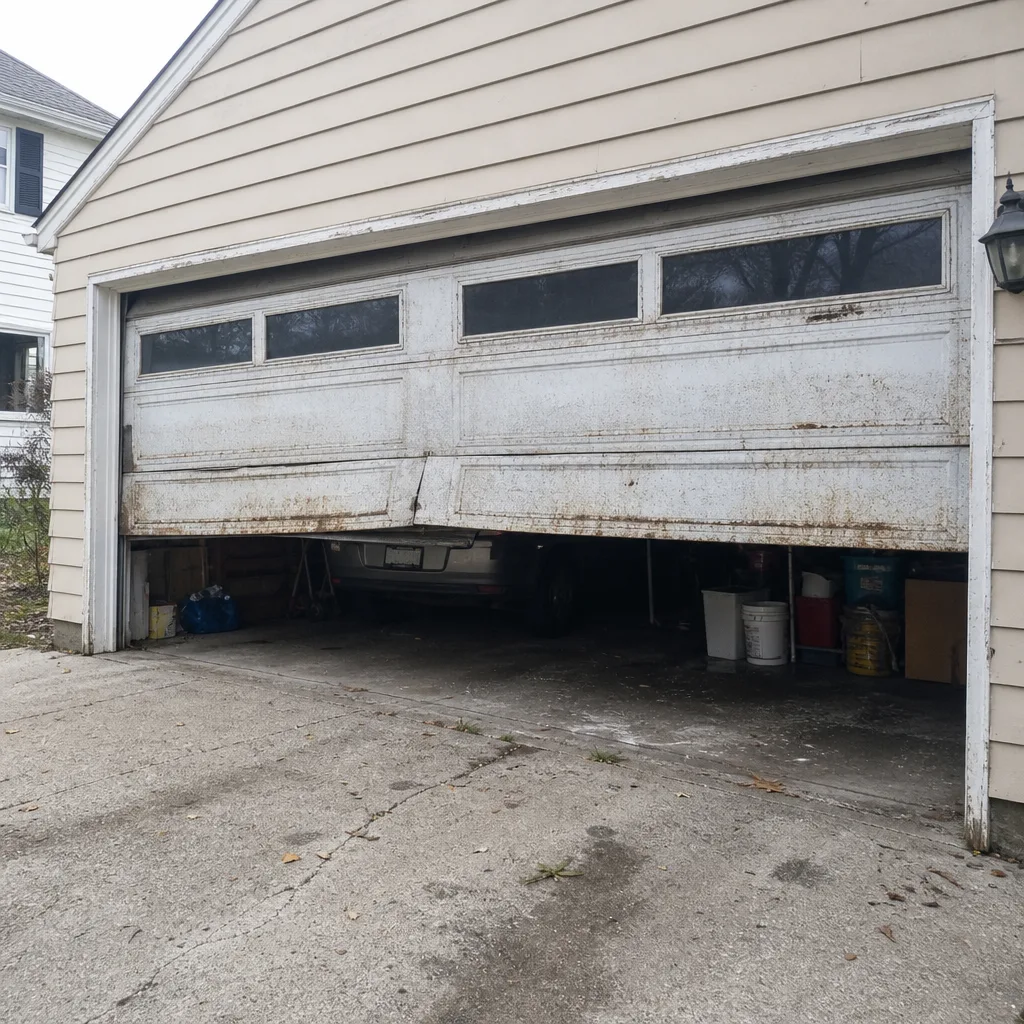 Before
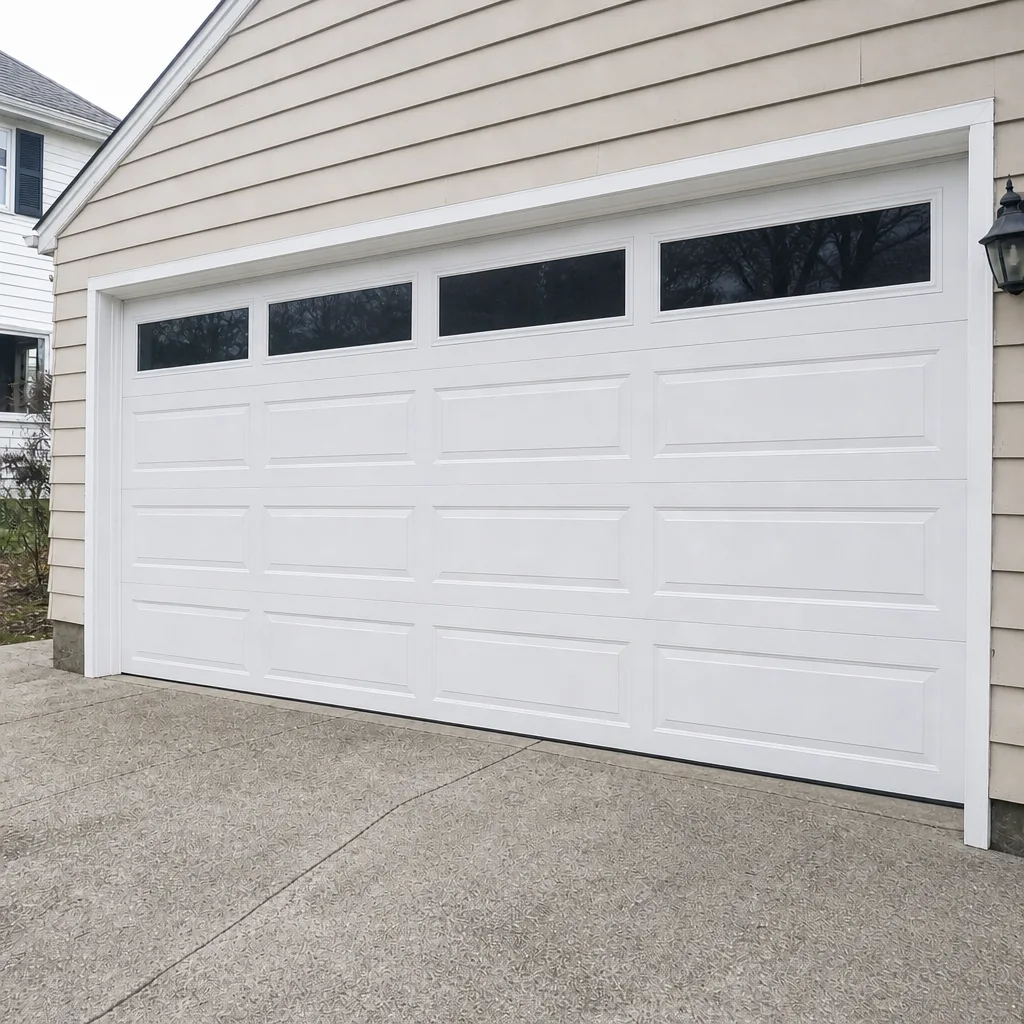 After
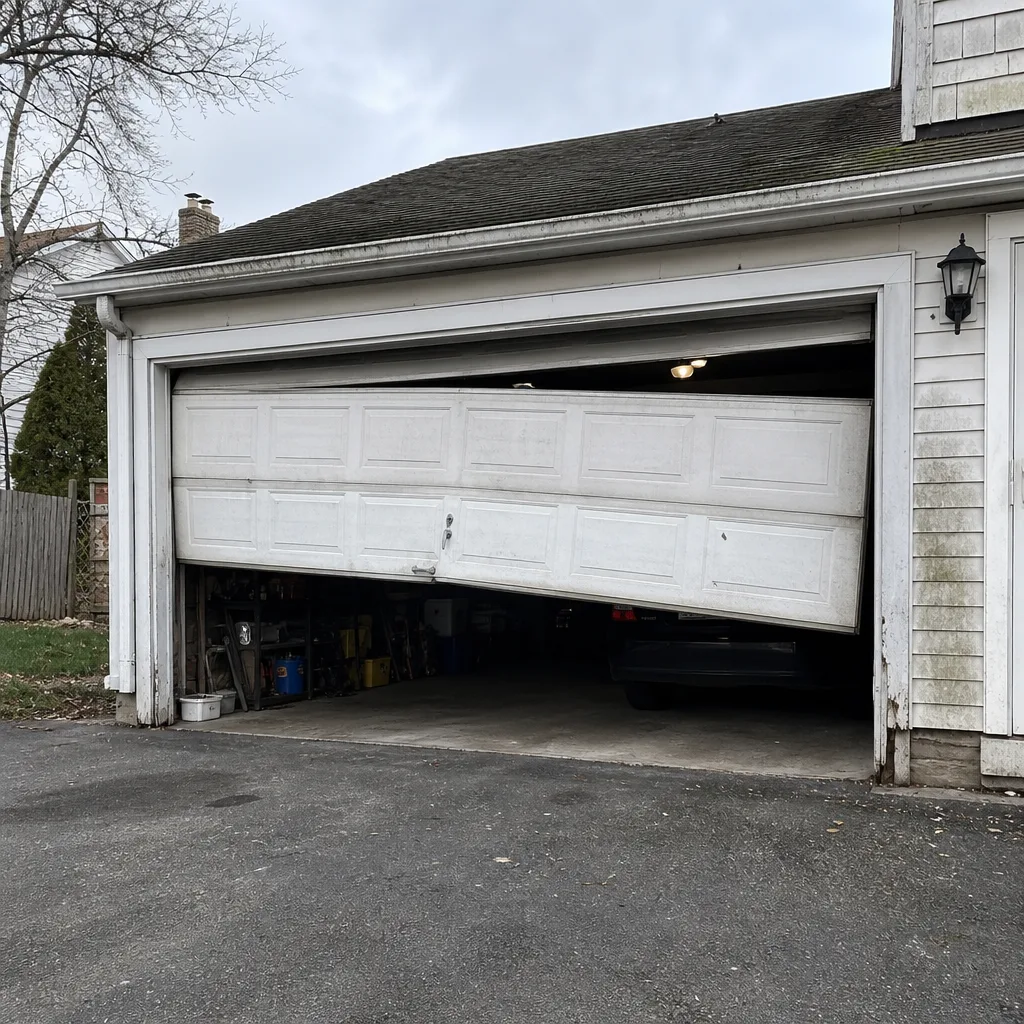 Before
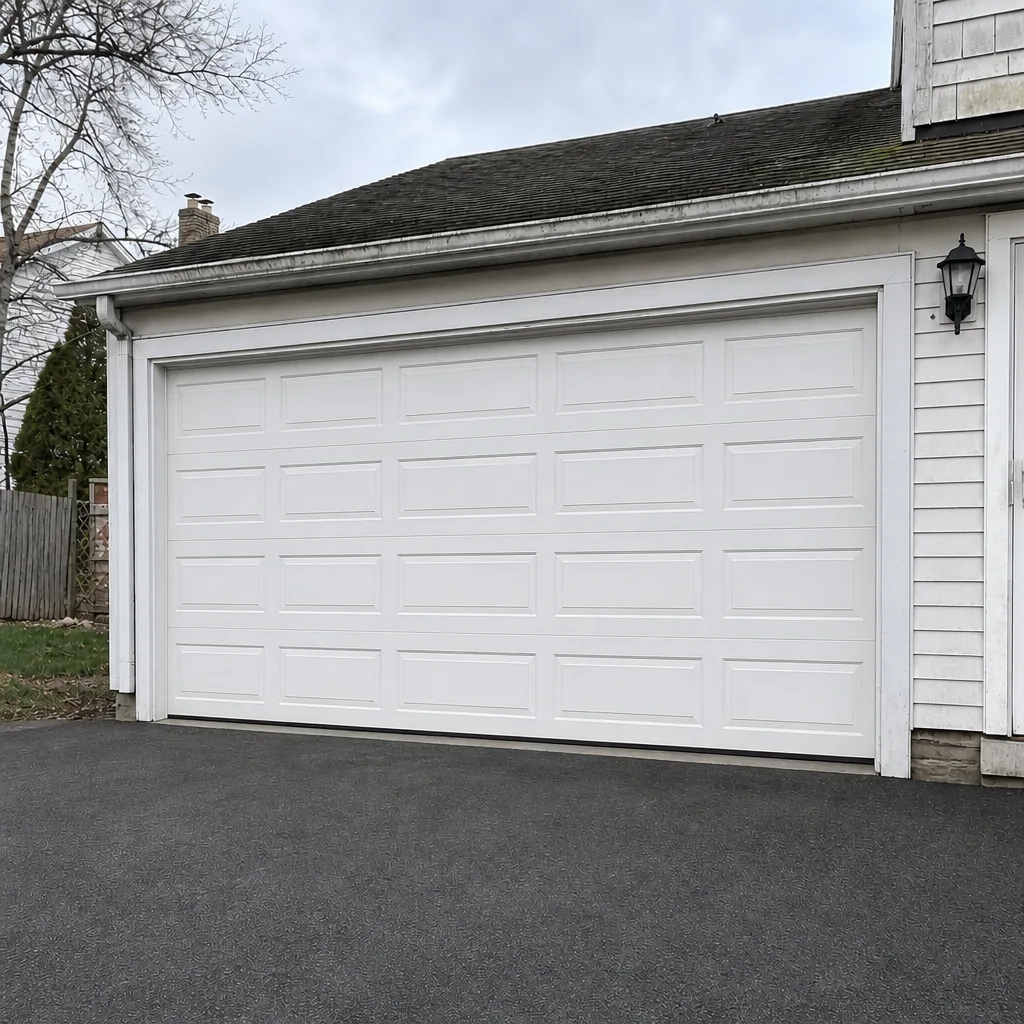 After
When to Call a Professional
Call a professional when any symptom on the stop-using-the-door list appears, and call sooner than you think for the scheduled-appointment list. Spring work, cable work, and anything that touches the torsion system is a job for a trained technician, not a homeowner with a YouTube tutorial. Those parts are under tension strong enough to cause serious injury if released incorrectly, and the repair sequence assumes the technician knows how to wind and unwind the system safely. For the subtler behaviors, hesitation, opener grind, remote range, use the guide above to sort the symptom, then book an inspection. Fairfield Garage Door Repair Pros offers free estimates in Fairfield. Call (877) 584-2814. We answer 24/7. Fast dispatch from 7am to 7pm, Sunday through Friday. The price is quoted and agreed before any work starts, so the written estimate is the price.
Frequently Asked Questions
Most warning-sign repairs land in two ranges. A roller, hinge, or opener-adjusted limit fix typically runs $120 to $260. Spring work is a category of its own: one torsion spring usually runs $180 to $340, and a matched pair, which is normally replaced together, costs about twice that. Cable and roller-and-cable combinations sit somewhere between the two. The written estimate sets the final price. Call (877) 584-2814 for an exact quote. Estimates are free.
Yes. Hesitation and shaking are same-day-sized problems, and we work to get the door back up and running today when the schedule allows. For a door you’ve already stopped using, call first and stay off the door until the technician arrives. Call (877) 584-2814. We answer 24/7. Fast dispatch from 7am to 7pm, Sunday through Friday.
No. The price is quoted and agreed before any work starts, based on what the technician sees and confirms with you. Once the written estimate is accepted, that’s what you pay. Call (877) 584-2814 for an exact quote. Estimates are free.
Yes. The local professional who arrives is licensed and insured as required by Connecticut, and every technician working on the door is experienced across the major brands. We work on LiftMaster, Chamberlain, Genie, Clopay, Amarr, Wayne Dalton, Craftsman, and Raynor systems, plus most others you’ll find in a Fairfield garage. Call (877) 584-2814 for an exact quote. Estimates are free.
A spring that’s only losing tension is a scheduled-appointment problem, not an emergency, as long as the door still cycles smoothly and the coil shows no gap. The catch is that you don’t know how much tension is left, so treat it as a short window rather than a long one. A spring that shows a gap, uneven coil spacing, or rust streaking on the wall below it means stop using the door now. Call (877) 584-2814 for an exact quote. Estimates are free.
Some hesitation in cold weather is normal for a well-maintained door, because metal springs contract and lubricants thicken as temperature drops. Hesitation that appeared this winter but not last winter is not normal. That’s the door telling you a component has weakened and the cold weather is exposing it. Book a seasonal inspection before the next cold snap. Call (877) 584-2814 for an exact quote. Estimates are free.
The Bottom Line
Garage door failures rarely arrive without warning. The visible ones, a snapped spring, a door that won’t close, are the end of the story, and the useful signals show up weeks earlier as a hesitation, a grind, a remote that’s gone weak, or a spring that’s developed a gap. In Fairfield, the climate gives you a natural check-in point twice a year, and the drum wrap check gives you a diagnostic tool most homeowners don’t know exists. Sort every symptom into two piles: scheduled appointment, or stop using the door and call. Getting that sorting right is the difference between a repair and an emergency.
If your door has started telling you something this week, whether it’s a pop, a grind, or a hesitation you can’t quite put a finger on, get a technician eyes on it before the cold season does the deciding for you. Call (877) 584-2814 for a free estimate. We answer 24/7. Fast dispatch from 7am to 7pm, Sunday through Friday. Garage doors only, on every brand in the garage, with spring repair done right and full installation covered when a repair isn’t the right call.
Written by the team at Fairfield Garage Door Repair Pros.