
Last updated November 21, 2026
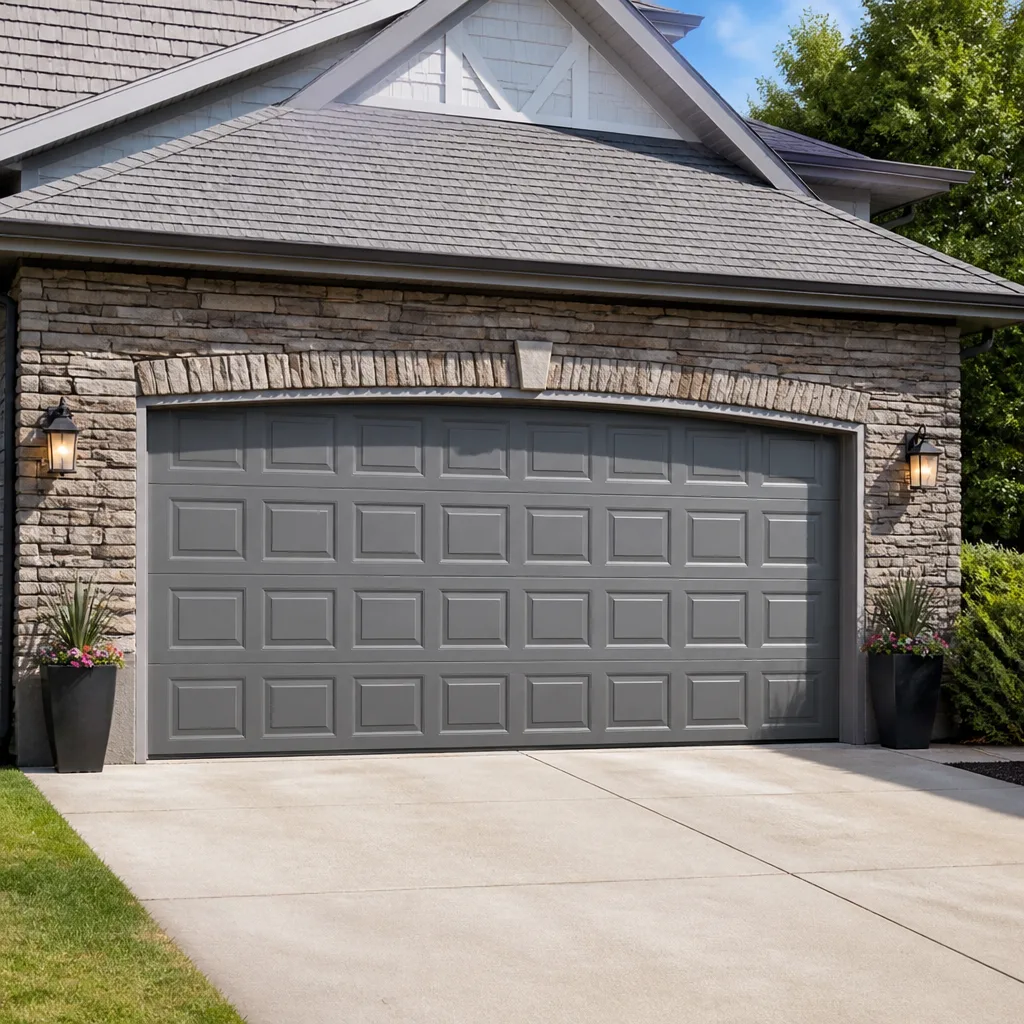 Raised-panel steel
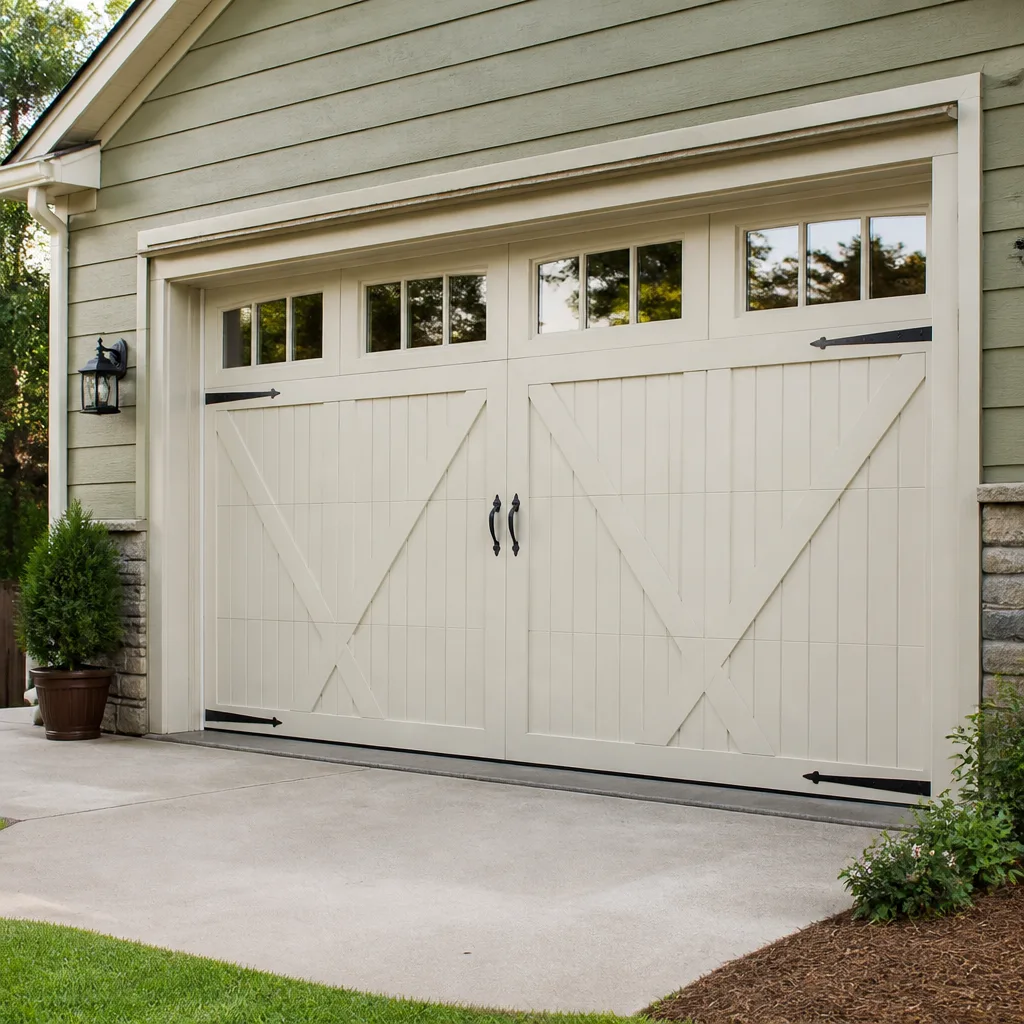 Carriage house
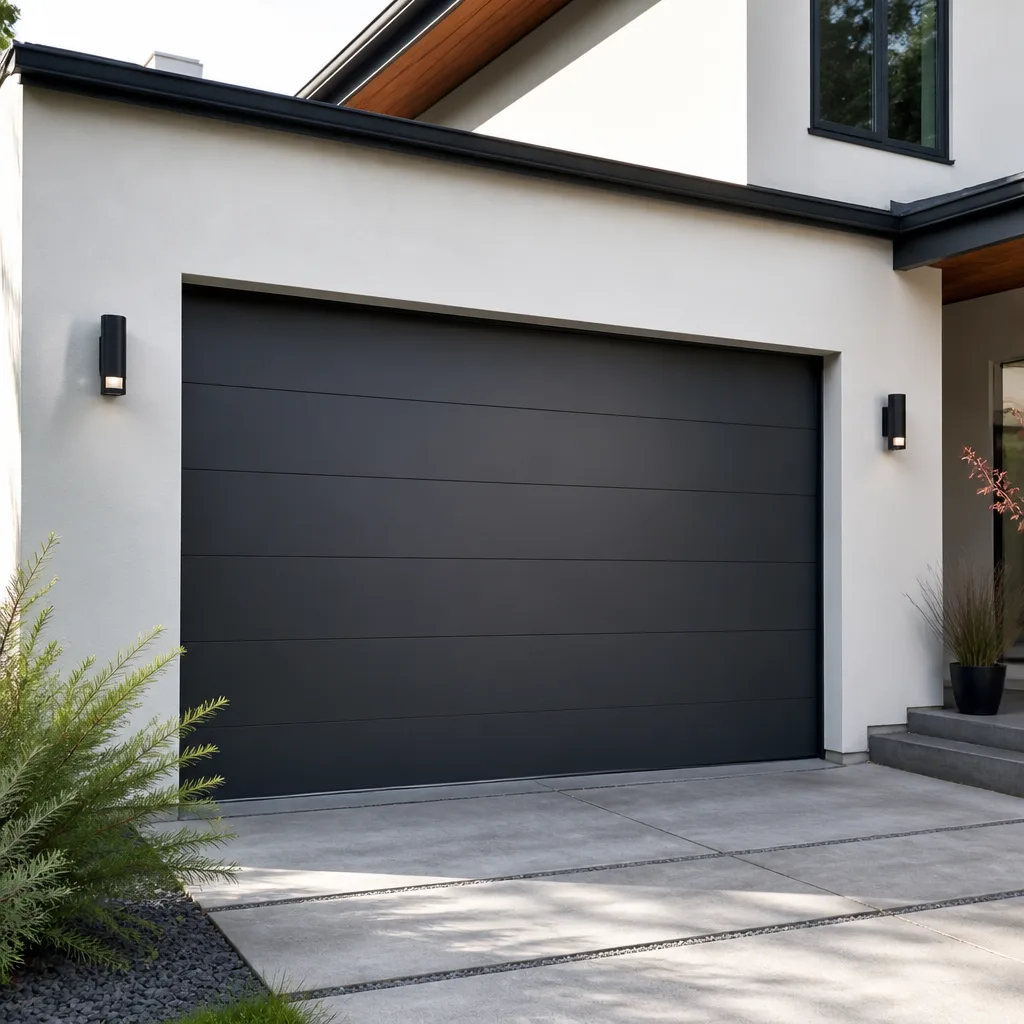 Modern flush
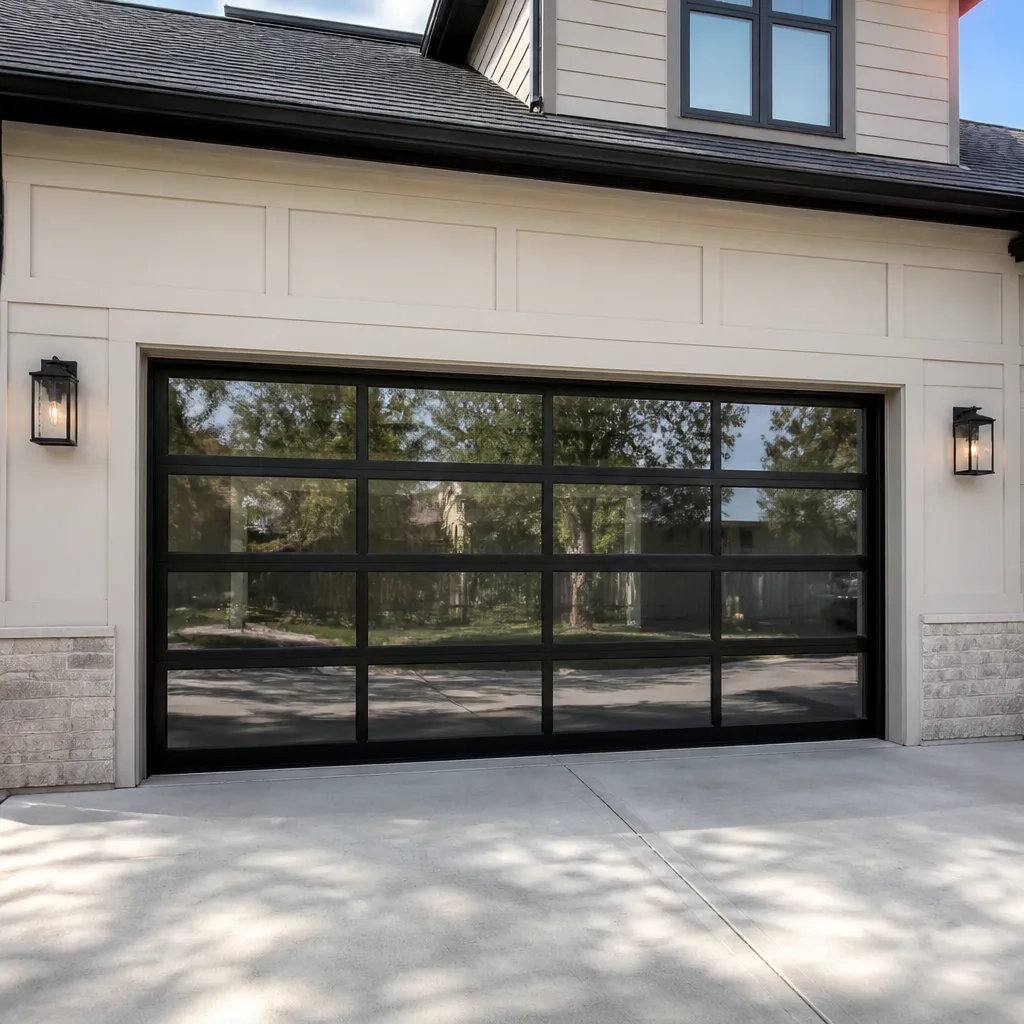 Full-view glass
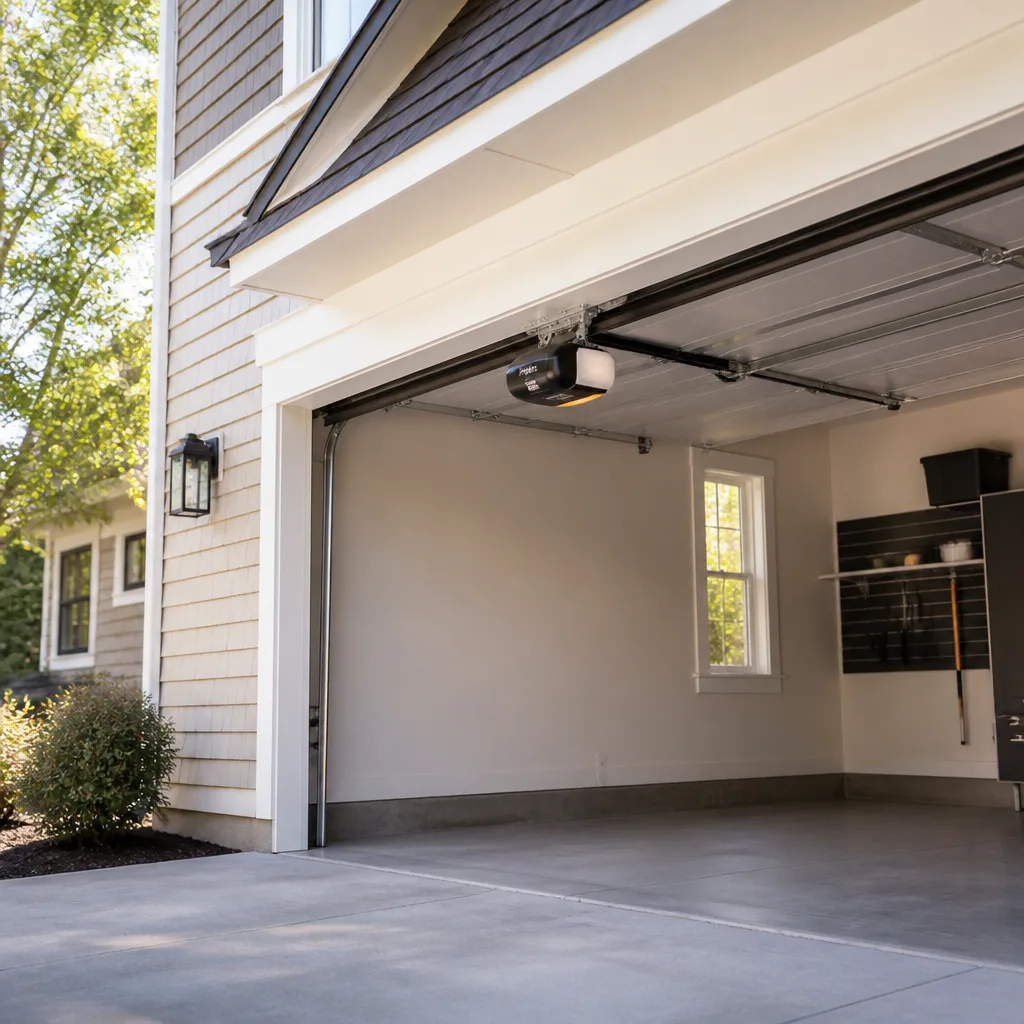 LiftMaster openers
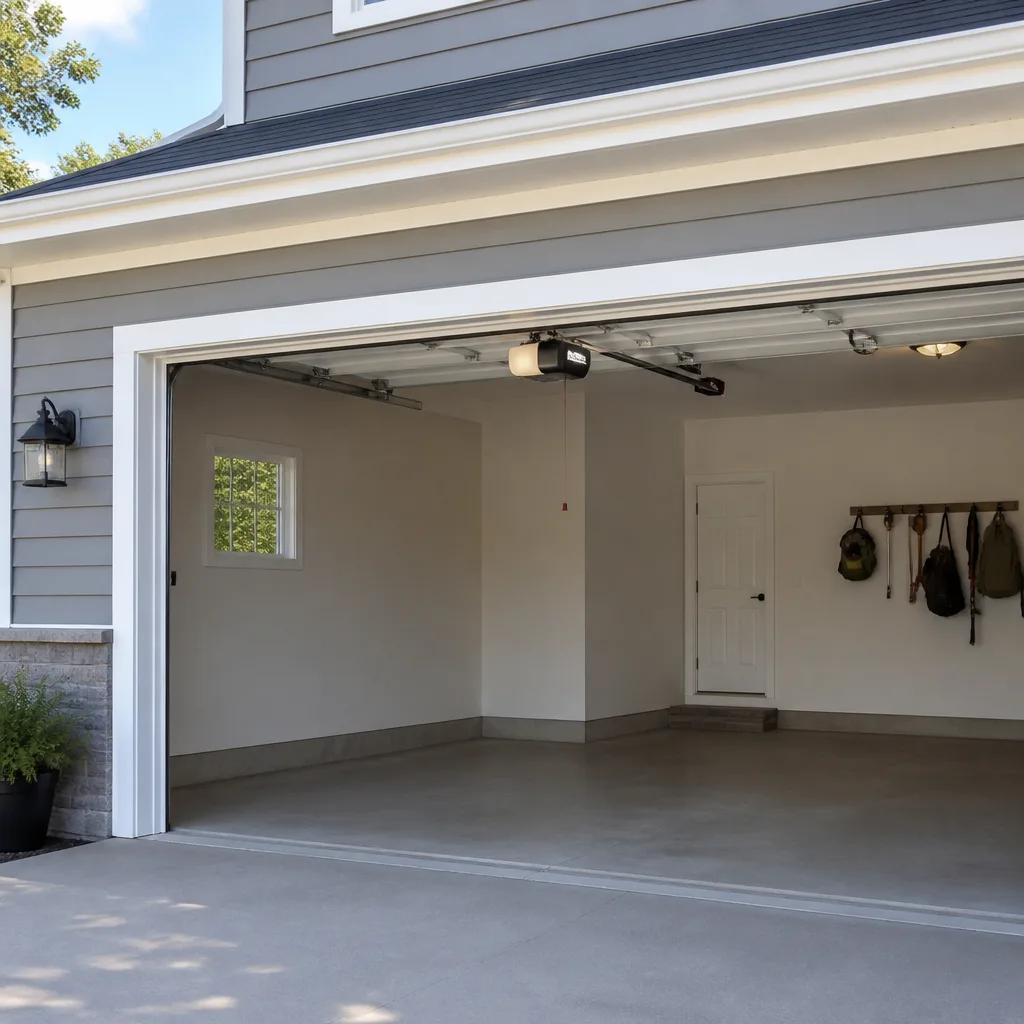 Chamberlain openers
Full 25-point door and opener safety check with every visit - springs, cables, rollers, tracks, and your LiftMaster or Chamberlain opener included
You get a price before we start. It does not change when the pro arrives.
Get your free estimateGarage Door Repair Maintenance Checklist for Fairfield Homeowners
Most garage door checklists you’ll find online are generic: oil this, tighten that, call someone if it breaks. They’re written for a climate that doesn’t exist here. Fairfield’s swing between humid summer air and hard winter freezes does specific things to garage door hardware, and the parts that fail first here aren’t always the ones generic guides tell you to watch. This guide is built around the failure patterns we actually see in Fairfield garages, ranked by how often they turn into emergency calls – not a ten-point list copied from a national site. You’ll learn what fails first, the lubrication points most homeowners miss, how to test your door’s safety systems in the right order, and why a wooden carriage-house door and a modern steel door shouldn’t be on the same maintenance schedule.
Quick Answer
A garage door maintenance checklist for Fairfield should cover lubrication of hinges, rollers, and the torsion spring (never WD-40), a balance test, travel-limit and auto-reverse testing in sequence, inspection of the bottom bracket and cable condition, and a written log of each check so you can spot trends instead of reacting to breakdowns. Check the door monthly by ear and eye, do a full lubrication and safety test every six months, and have a technician inspect springs, cables, and brackets once a year.
Styles & brands we work with
- Raised-panel steel
- Carriage house
- Modern flush
- Full-view glass
- LiftMaster openers
- Chamberlain openers
Table of Contents
- What Fails First in Fairfield’s Humidity-and-Freeze Cycle
- The Lubrication Points Homeowners Consistently Miss
- Testing Balance, Travel Limits, and Auto-Reverse in Sequence
- Maintenance Schedules by Door Type: Wood vs. Steel
- What to Log After Every Inspection
- The 10-Minute Monthly Checklist
- Seasonal Prep for Freeze-Thaw and Summer Humidity
- When It’s Time to Call a Professional
- Common Mistakes to Avoid
- Frequently Asked Questions
What Fails First in Fairfield’s Humidity-and-Freeze Cycle
The number-one source of after-hours garage door calls in Fairfield isn’t a broken spring. It’s a corroded bottom bracket that failed silently until the cable jumped the drum on a cold morning. That pattern repeats often enough that it reorders the whole checklist. Fairfield’s climate runs from muggy summer air to repeated freeze-thaw cycles in winter, and that combination does more damage to the small metal parts near the floor than most homeowners expect.
Here’s the failure order we see in Fairfield garages, ranked by how often each one causes a mid-shift breakdown:
- Bottom brackets and cable ends. These sit closest to the floor, where humidity pools and winter road moisture lingers. They corrode faster than any other hardware on the door.
- Torsion springs. Rapid temperature swings make the metal contract and expand repeatedly. Springs near the end of their cycle snap on the coldest mornings more often than any other time.
- Rollers. Nylon rollers get brittle in cold and flat-spot in summer heat. Steel rollers rust at the bearing, then drag.
- Hinges. Factory lubricant washes out or dries up, and hinges start squeaking before they start binding.
- Weather seals and bottom rubber. These crack and lose their seal faster here than in drier climates, letting in drafts and moisture that speed up everything else on this list.
Here’s the counterintuitive part: springs get all the attention, but the bottom bracket and cable assembly is what quietly turns a small repair into an emergency. A homeowner who checks their bottom brackets every few months catches the problem while it’s still a routine fix. One who doesn’t finds out when the door won’t lift at the worst possible moment. Fairfield’s humidity does this slowly enough that it’s easy to miss, which is exactly why it’s worth checking on a schedule rather than waiting for something to break.
The Lubrication Points Homeowners Consistently Miss
The lubrication points most Fairfield homeowners skip are the ones nobody demonstrates: the hinge pins, the roller stems where they meet the hinge, the bearing plates, and the lock cylinder if the door has one. People remember the track and forget everything attached to it. Regular lubrication keeps a door quiet and smooth, but it also keeps small friction points from turning into worn-out parts.
Here’s where to actually apply lubricant and where to leave it alone:
- Hinges: a drop of lubricant at each hinge pivot, top to bottom. This is the most commonly skipped spot, and it’s the first thing that starts squeaking.
- Roller stems: lubricate where the roller stem enters the hinge, not the roller wheel itself. Lubricating the wheel is the mistake; you want the stem to move freely in its hinge.
- Bearing plates: the metal plates at each end of the torsion shaft need a light application. These are near the springs, so treat them carefully and don’t force anything.
- Springs: a light lubricant on the coils helps them move freely. But see the warning below.
- Lock cylinder: if your door has a manual lock, a proper lock lubricant (not oil) keeps it turning smoothly.
Here’s the one that matters most, and it’s a warning rather than an instruction: don’t spray WD-40 on a torsion spring. WD-40 is a solvent, not a lubricant. It thins and strips whatever grease is protecting the coils, then evaporates. What’s left is bare, unprotected metal that attracts dust and grit, and grit accelerates wear on a spring that’s already under extreme tension. The right product is a proper garage door lubricant, applied lightly. If you’re not sure what’s already on your spring, ask before adding anything new.
Springs, cables, and the brackets that hold them under tension are dangerous to work on. A torsion spring can cause serious injury if it releases under load, and this is a real risk, not a cautious disclaimer. Lubricating the coils from a safe distance while the door is closed is one thing. Adjusting, removing, or disconnecting anything in that assembly is a job for a technician, and it’s a core reason to call a specialist for garage door spring repair rather than attempt it yourself.
Testing Balance, Travel Limits, and Auto-Reverse in Sequence
Testing your garage door’s balance, travel limits, and auto-reverse in sequence catches compounding problems. Testing them randomly catches individual symptoms. The difference matters because a door that’s out of balance puts extra strain on the opener, which can then throw off the travel limits, which can then affect the auto-reverse. If you test out of order, you’ll “fix” the auto-reverse and miss the real cause.
Here’s the order that works, and it’s the order we follow on a full inspection:
- Disconnect the opener first. Pull the release handle so the door moves by hand. Everything after this step depends on the door not being under power.
- Balance test. Raise the door halfway and let go. A balanced door holds roughly where you leave it. A door that slams down, or drifts up, is out of balance and needs a professional adjustment to the spring tension.
- Check the travel. Open and close the door slowly by hand. It should move smoothly with no binding, jerking, or spots where you feel resistance. Binding at one point usually means a track or roller issue, and it will throw off the opener’s limits later.
- Reconnect and test the travel limits. Run the opener and watch where the door stops. It should close fully against the floor without compressing the seal too hard, and open fully without slamming the stop. If the limits are off, they need a small adjustment on the opener itself.
- Test the auto-reverse. Place a piece of wood or a roll of paper towel flat under the door and close it. The door should reverse on contact. Also test the photo-eye safety sensors by passing something across the beam while the door is closing. The door should reverse immediately.
Order matters because balance is the foundation. A door out of balance will stress the opener motor, and a stressed opener can fail to reverse properly even when the safety system itself is working. Testing auto-reverse first would tell you something is wrong but not what. Running the sequence in this order, and logging the results, gives you (or a technician) a clear picture of where the problem actually started.
Auto-reverse is a safety system, not a convenience feature, and it deserves attention every time. If the door doesn’t reverse on contact, stop using the opener until it’s fixed. Our technicians have up to 13 years of experience diagnosing exactly these compounding issues, and the first step is always understanding what the door is doing in sequence, not just the symptom that brought you outside.
Maintenance Schedules by Door Type: Wood vs. Steel
Wood and steel garage doors are not on the same maintenance schedule. Wood needs more frequent inspection for warping, moisture swelling, and finish breakdown. Steel needs less frequent structural attention but more attention to rust, dents, and the weather seal. Running your wooden door on the same schedule as your neighbor’s steel door is one of the most common maintenance mistakes in Fairfield.
Wood and Wood-Composite Doors
- Finish inspection: check for peeling, cracking, or dulling every six months. A failing finish lets moisture into the wood, and Fairfield’s humidity speeds that up.
- Joint and panel inspection: look for warping, swelling, or separation at the stiles and rails, especially after a wet spring.
- Hardware check: wood can shift with moisture, so hinges and brackets need a tighter visual check than on steel.
- Full inspection: annually, and more often on older doors that show finish wear.
Steel and Insulated Steel Doors
- Rust check: inspect the bottom edge and around any scratched paint every six months. Steel is more forgiving than wood but rust moves fast once it starts.
- Dent and panel check: look for dents or panel damage that can interfere with the seal or the door’s balance.
- Weather seal: check the bottom rubber and the perimeter seals for cracks every season. A tight seal keeps moisture out and keeps the door from flagging on cold mornings.
- Full inspection: annually for hardware, springs, and the opener, even though the door face needs less attention.
Brands matter a little here. Doors from Clopay, Amarr, Wayne Dalton, and Raynor each have slightly different hardware setups, and knowing the brand helps a technician understand what to look for. We work on the brand you already have, which means you don’t have to switch systems to get the right maintenance schedule. A carriage-house-style wooden door often needs a slightly different look than a modern steel door even within the same brand, so a maintenance routine built around the door you actually own beats a generic checklist every time.
What to Log After Every Inspection
Logging what you check matters as much as checking it. A log lets a technician spot a deterioration trend instead of just the current problem. If your hinge lubricant is always gone after two months, that’s a clue. If the door has been slightly out of balance for three inspections and it’s getting worse, that’s a trend worth catching before it becomes a snapped spring or a burned-out opener. The log is what turns routine maintenance into real diagnostic information.
Here’s what to write down after every inspection:
- Date and what you checked. A simple list of which items you inspected, so you know when you last touched each one.
- Balance result. Does the door hold at the halfway point? Note any drift up or down.
- Noise notes. Any new squeak, rattle, or grinding, and where it comes from.
- Auto-reverse result. Whether the door reversed on contact and whether the sensors passed. This is the most important line on the log for safety.
- Visible wear. Fraying cables, rust spots, worn rollers, cracked seals. Note the location on the door.
- What you lubricated and when. So you know if something needs re-lubrication sooner than expected.
A log is a low-effort habit that pays off when something fails. Instead of calling a technician and saying “the door stopped working,” you can say “it’s been a little out of balance since October and the noise changed last week.” That’s the kind of detail that helps a professional diagnose quickly. It’s also the kind of thing a real specialist pays attention to. We build our inspections around trends, not just the repair in front of us, and when a repair turns into an installation job, we already understand the history of the door.
The 10-Minute Monthly Checklist
A monthly check keeps small issues from becoming emergencies, and it takes about ten minutes. Most of it is watching and listening, not tools. Do this once a month and you’ll catch far more than you would by waiting until something breaks.
- Listen first. Open and close the door from a distance and just listen. Any new sound: a squeak, a grind, a rattle, a pop.
- Watch the travel. Does the door move smoothly both ways, or is there a spot where it jerks or slows?
- Check the bottom seal. Look for cracks or gaps along the bottom rubber and the perimeter.
- Look at the bottom brackets and cables. Rust, fraying, or anything loose near the floor is a red flag.
- Test the auto-reverse. Run the contact test and the sensor test every month.
- Look at the springs. From a safe distance, check for gaps, gaps in the coil, or a visible stretch. Don’t touch.
- Check the opener lights and controls. Make sure the wall button and remotes all respond at normal range.
The monthly check isn’t about doing repairs. It’s about noticing. A squeak you catch in month one is a lubrication job. The same squeak ignored for six months is a worn hinge, and a worn hinge ignored for a year is a roller and hinge replacement. The pattern is consistent, and Fairfield homeowners who check monthly almost always catch issues earlier than those who don’t.
Seasonal Prep for Freeze-Thaw and Summer Humidity
Fairfield’s two hardest seasons for garage doors are late winter and mid-summer. Late winter brings the freeze-thaw cycle that puts stress on springs, cables, and brackets. Mid-summer brings humidity that swells wood doors and drives moisture into the hardware near the floor. A seasonal prep routine addresses each one before it becomes a repair call.
Fall and Early Winter (Freeze Prep)
- Lubricate all hinges, roller stems, and bearing plates before the first hard freeze. Cold metal is less forgiving of dry friction points.
- Inspect cables and bottom brackets carefully. Winter is when corroded hardware gives out.
- Test the weather seal and replace any bottom rubber that’s cracked, so the door seals against cold drafts.
- Check the opener’s travel limits before the door starts flagging on cold mornings.
Spring and Summer (Humidity Prep)
- Inspect wooden doors for swelling, warping, or finish breakdown after the wet spring.
- Check steel doors for rust at the bottom edge and around scratches.
- Re-lubricate after the winter because cold weather and salt can wash out lubricant.
- Run a full safety test since the door has been through a full season of temperature swings.
If your door does fail in the middle of winter, it’s good to know who to call before it happens. Fairfield Garage Door Repair Pros offers emergency garage door repair when a door won’t open or close and you can’t wait. We answer 24/7, and our fast dispatch from 7am to 7pm covers Sunday through Friday. If you call outside dispatch hours, your repair gets booked into the next opening.
When It’s Time to Call a Professional
Some garage door issues belong on a maintenance checklist, and some belong on a technician’s schedule immediately. A squeaky hinge, a cracked weather seal, and a sticky lock are all things you can handle from the checklist above. But if you see a frayed cable, a spring with a visible gap, a door that’s out of balance by hand, or an auto-reverse system that won’t test correctly, those are signs to stop using the door and call a professional. Springs, cables, and the brackets under tension are dangerous to work on, and the risk of serious injury is real. The same goes for any opener that won’t reverse properly, because the safety system is the whole point of the test.
In Fairfield, we see a lot of doors that started as a minor issue and became a same-day call. Catching them earlier is the whole reason for a checklist. We also repair openers rather than always pushing for a full replacement. If your Craftsman or Genie opener is behaving oddly, our garage door opener repair team diagnoses the unit before recommending a swap, because most openers can be fixed if the right part is identified. Fairfield Garage Door Repair Pros offers free estimates in Fairfield. Call (877) 584-2814. We answer 24/7. Fast dispatch from 7am to 7pm, Sunday through Friday.
Common Mistakes to Avoid
- Testing auto-reverse last instead of in sequence. A door that’s out of balance can fail the auto-reverse test even when the safety system is fine. Test balance first, then limits, then auto-reverse, or you’ll misdiagnose the problem.
- Spraying WD-40 on a torsion spring. WD-40 strips grease and leaves the spring unprotected. Use a proper garage door lubricant, and never work on the spring assembly yourself.
- Ignoring the bottom brackets and cable ends. They’re the most corrosion-prone parts on a Fairfield door, and they’re the most common source of emergency calls here.
- Using the same schedule for wood and steel doors. Wood needs more frequent finish checks in Fairfield’s humidity. Steel needs more rust checks. Running one schedule for both means you’ll miss something on one of them.
- Skipping the log. A technician can only spot a deterioration trend if there’s a record to compare against. No log means every visit starts from scratch.
- Assuming a noisy door is fine because it still works. Noise is usually the earliest warning. A quiet door that stays quiet is the goal.
- Trying to adjust spring tension to fix balance yourself. This is one of the most dangerous things a homeowner can attempt on a garage door. Balance adjustments belong with a technician.
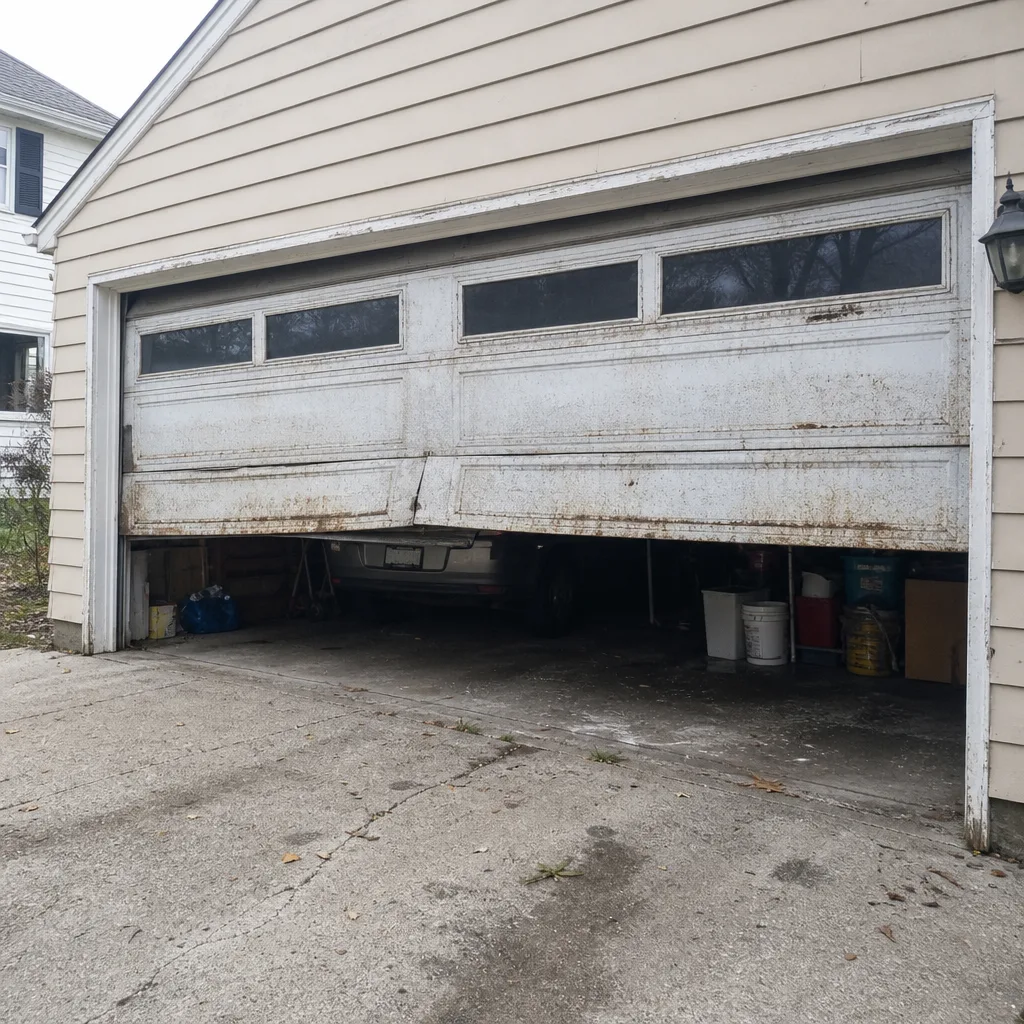
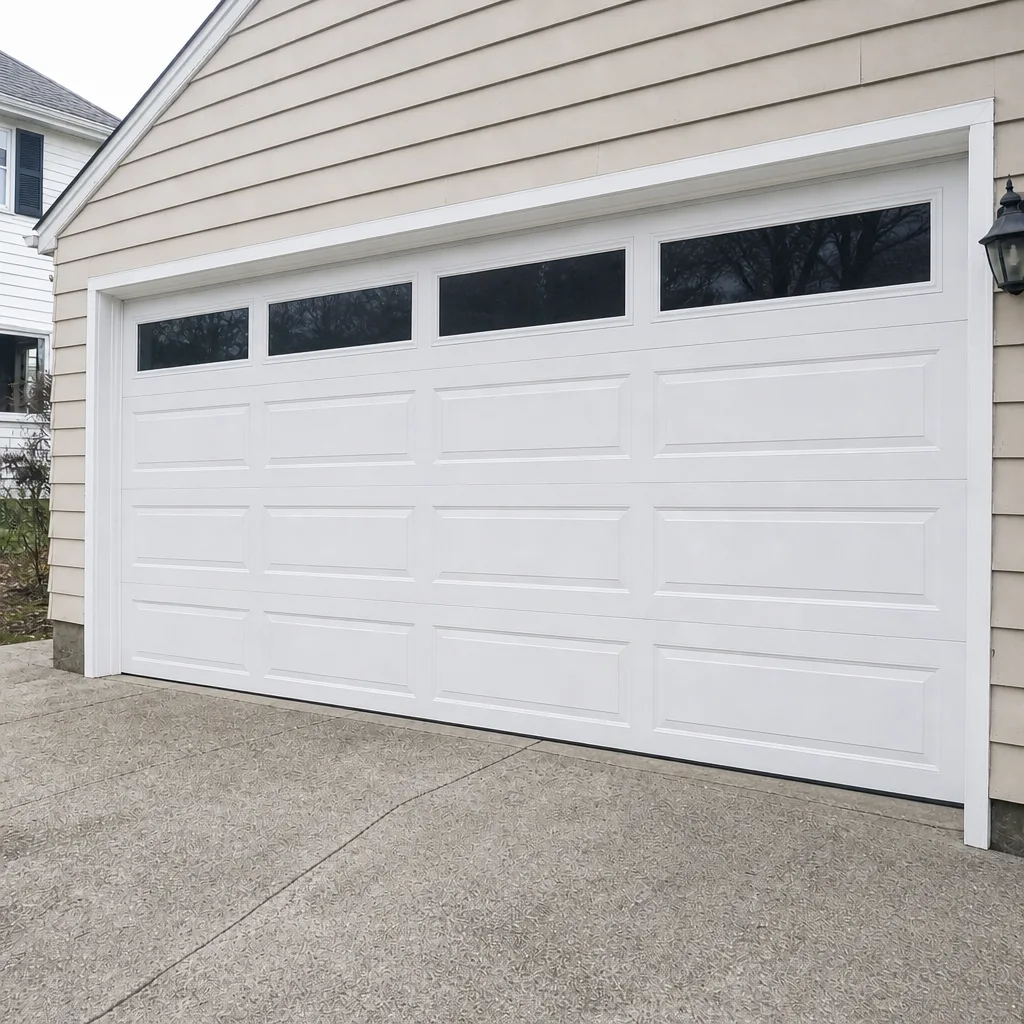
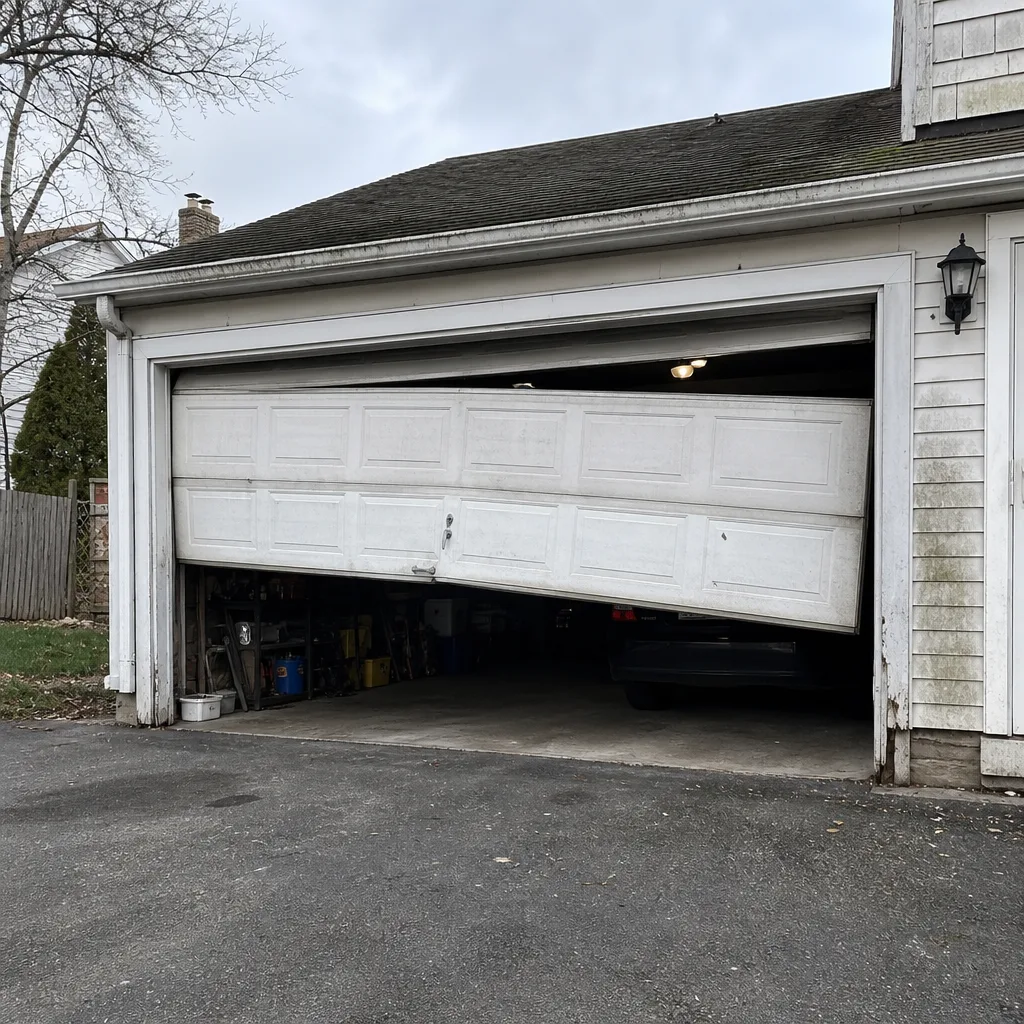
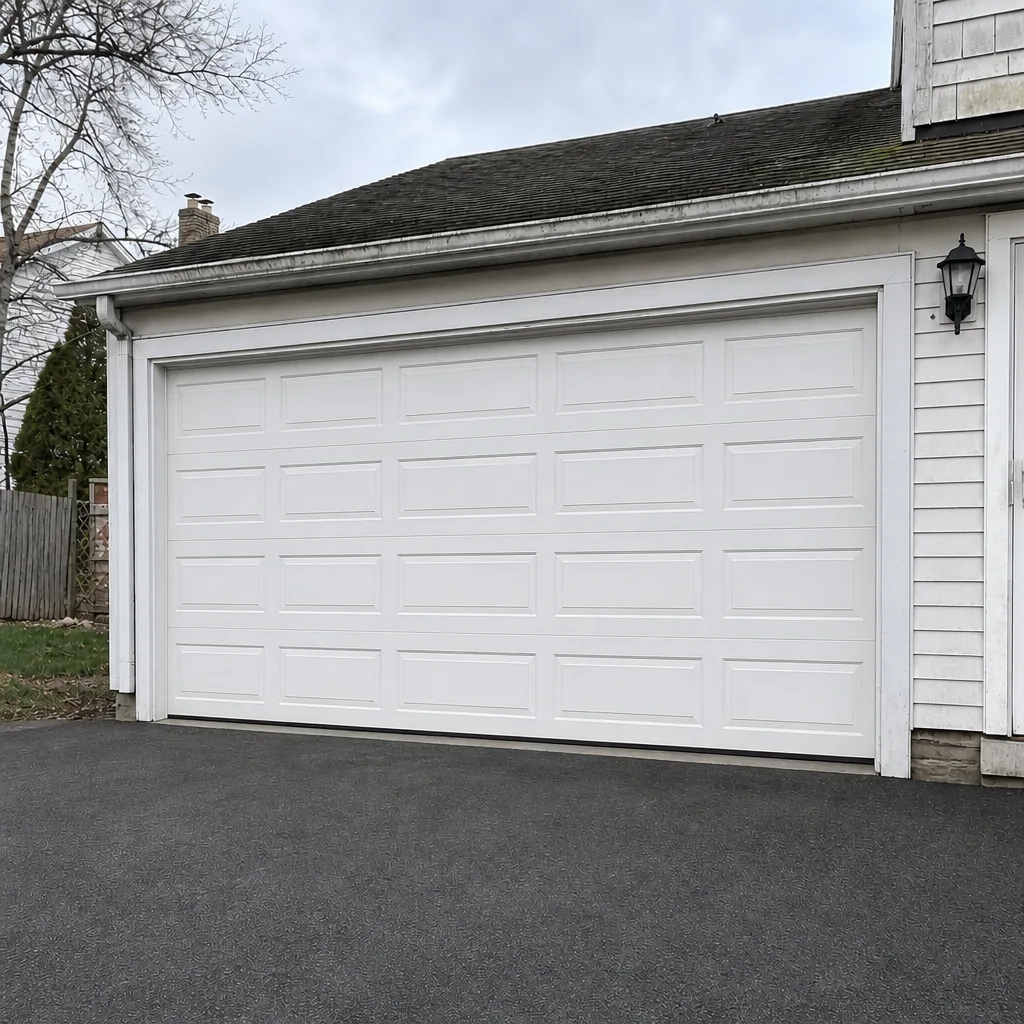
See the difference
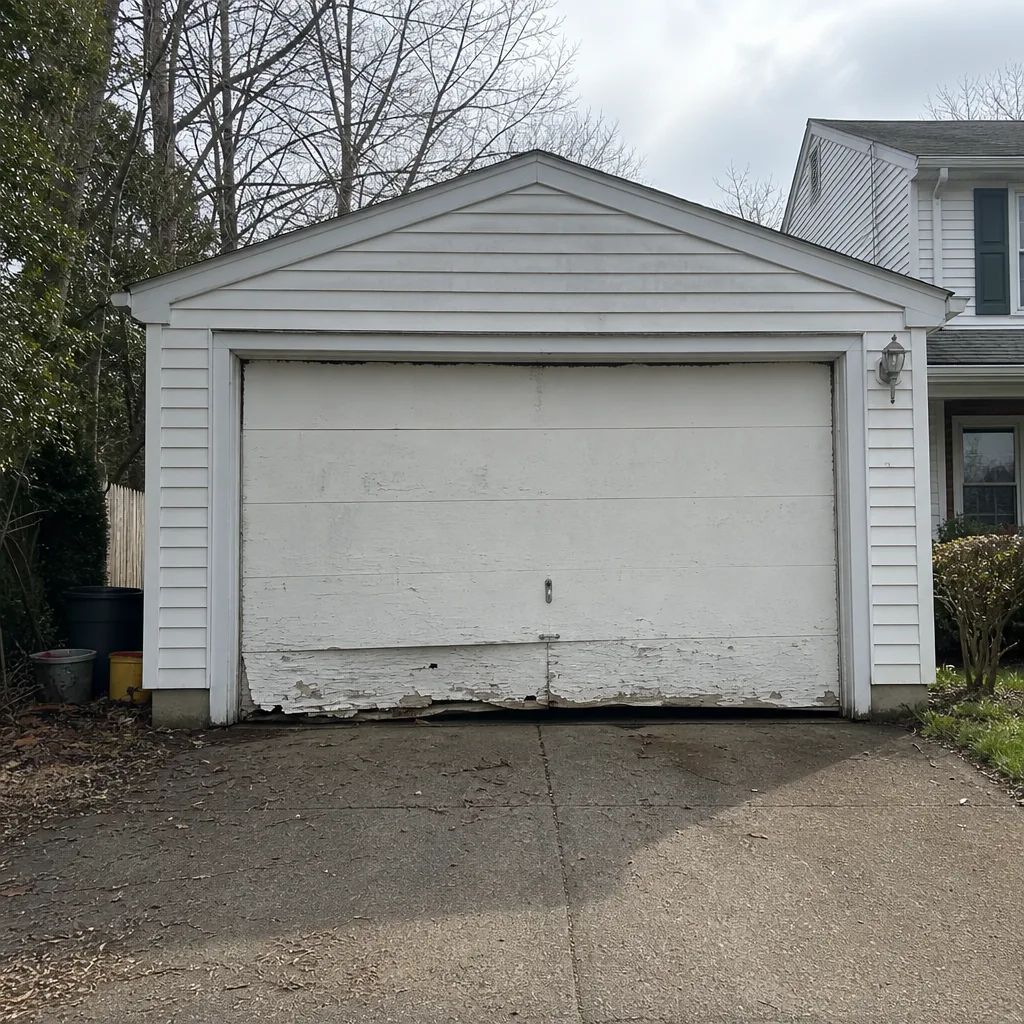 Before
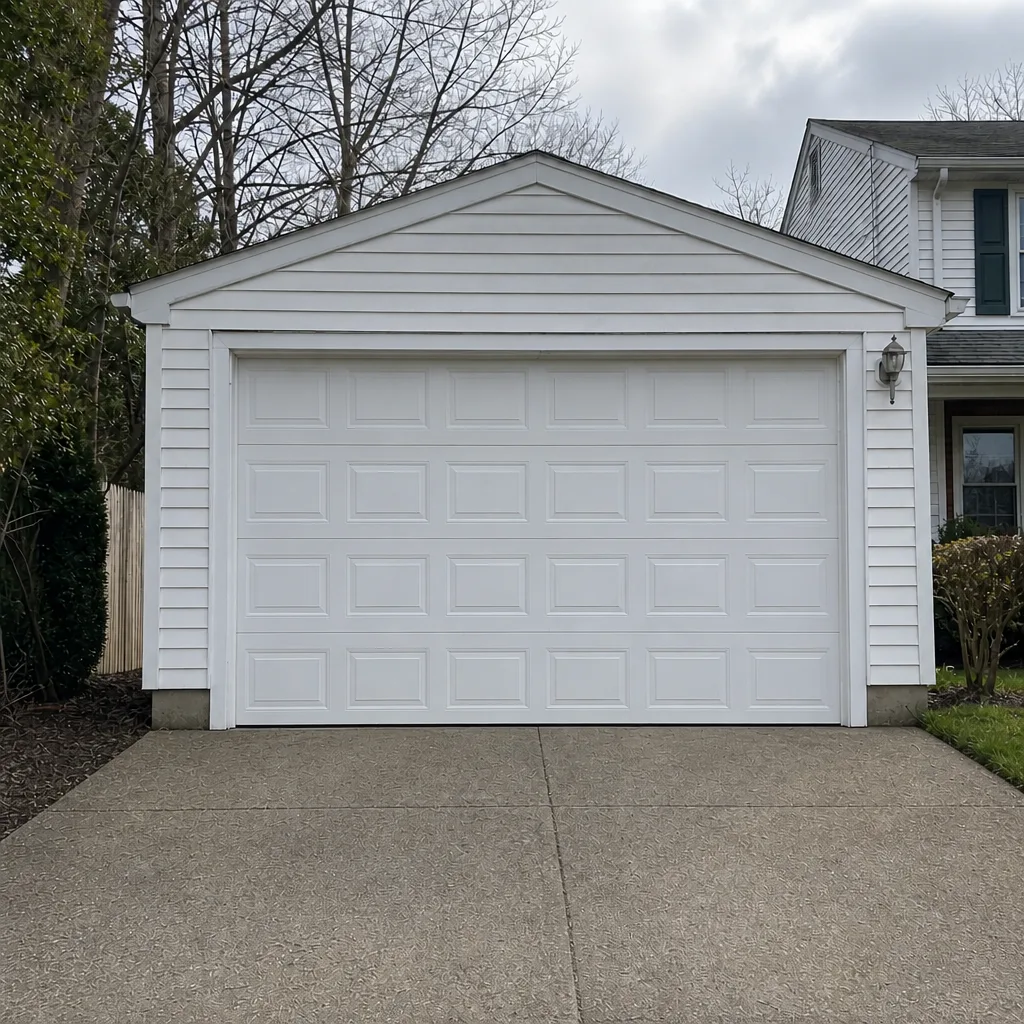 After
 Before
 After
 Before
 After
Frequently Asked Questions
Lubricate your garage door hinges, roller stems, and bearing plates every six months in Fairfield. In our climate, we recommend checking lubrication more often than that if the door sees heavy daily use or the winter or summer season has been especially harsh. The right product is a proper garage door lubricant, never WD-40 on any metal under tension.
Yes, you can and should test the auto-reverse every month. Place a piece of wood or a rolled towel under the door and close it; the door should reverse on contact. Also pass something across the photo-eye beam while the door closes. If either test fails, stop using the opener and call a technician. Call (877) 584-2814 for an exact quote, and estimates are free.
Cold temperatures make springs, cables, and brackets less able to absorb stress, and the freeze-thaw cycle adds repeated expansion and contraction to the hardware. Springs are especially likely to snap on the coldest mornings because they’re already under tension. Pre-winter lubrication and a balance check help, but a worn spring can fail regardless of maintenance, and spring failures should always be handled by a technician.
Disconnect the opener and raise the door halfway. If it holds roughly in place, it’s balanced. If it slams down or drifts up, it’s out of balance and needs a spring tension adjustment from a professional. Don’t try to balance it yourself; the spring assembly is under extreme tension.
Yes. Wooden and wood-composite doors need more frequent finish and moisture inspection because Fairfield’s humidity causes swelling and finish breakdown. Steel doors need less finish work but more frequent rust checks around scratches and the bottom edge. Running one schedule for both means one of them is being under-checked.
Log the date, what you checked, the balance result, any new noises and where they come from, the auto-reverse result, visible wear, and what you lubricated. A log lets a technician spot a deterioration trend rather than just the current problem, which saves time and often catches issues before they become repairs.
The Bottom Line
Fairfield’s climate produces a specific order of garage door failures, and a maintenance checklist that ignores it will always miss the parts that matter most. The bottom brackets and cable ends fail earliest here, springs snap on the coldest mornings, and a wooden door needs a different schedule than a steel one. Test your safety systems in sequence, never spray WD-40 on a spring, stay away from anything under tension, and keep a log so a technician can see trends instead of symptoms. Our technicians have up to 13 years of experience across the brands in your garage, including Amarr, Wayne Dalton, Craftsman, and Raynor, and we specialize in garage doors only, from opener repair to full installation. When you need help, or when a repair turns into a bigger job, we’re the team to call.
Call (877) 584-2814 for a free estimate. We answer 24/7. Fast dispatch from 7am to 7pm, Sunday through Friday. For a closer look at our full service range and how we handle everything from repair to replacement, start with Fairfield Garage Door Repair Pros.
Written by the team at Fairfield Garage Door Repair Pros.